3 poems by Saadi Youssef
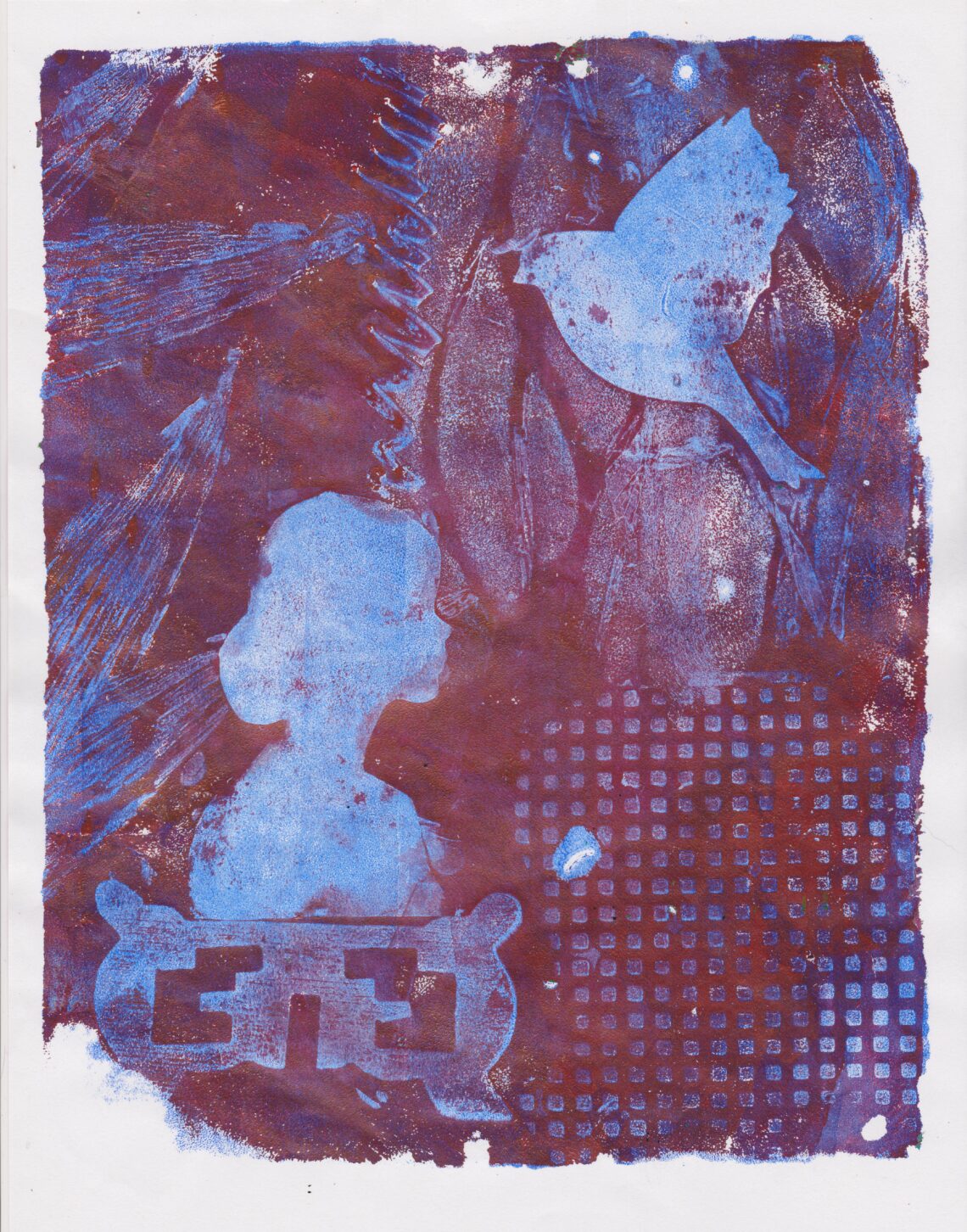
art by Catherine McGuire
translated from the Iraqi Arabic by Khaled Mattawa
Mukalla, Hadramout
A bird calls us to prayer,
as if the clouds here were diaphanous.
A wooden ship hoists its moorings,
its sailors wrapped in sarongs,
their shouts thick in the humid air.
The ambling steps in the women’s bazaar have gone home,
and the Sha’hr harbor melts in the sea’s expanse.
It was dawn, Mihhdar has just finished singing.
Look at how he lies on the cotton rug fast asleep
like a tired child.
…………….
…………….
…………….
But the ship (and you never liked ships) will sail on.
It will head
towards Java
and the Straits.
It will raise a mosque in the jungle
where small monkeys leap.
In the seedbed of dense reeds,
the call to prayer will rise
like the trumpet of resurrection.
We are from Hadramout,
and we sail!
مكلا، حضر موت
Mukalla, Hadramout
أقامَ الطيرُ ، في الفجرِ ، الصلاةَ
…وكان غيمٌ في مُكَلأ حضرموتَ يَشِفُّ
ثَمَّ سفينةٌ خشبٌ رفعتْ مراسيها
وملاّحونَ بالفُوَطِ ؛
التهاليلُ الغليظةُ في الهواءِ الرطْبِ
حتى الخَطْوُ في ” سوقِ النساءِ ” مضى
“…وغابتْ في البعيدِ ” الشّحْرُ
في الفجرِ انتهى ” المِحْضارُ ” من ترنيمٍ أغنيةٍ
وهاهوذا على متْنِ البساطِ القُطنِ يغفو
…مثلَ طفلٍ متعَبٍ
…………….
…………….
…………….
هذي السفينةُ (وهي لم تُعجِبْك) تمضي
سوف تمضي
” نحو ” جاوة
…والمضائقِ
سوف تُعْلي مسجداً بين المجاهلِ
والقرودِ
,ومنبِتِ القصبِ الكثيفِ
وسوفَ يرتفعُ الأذانُ
…كأنه بوقُ القيامةِ
إننا قومٌ حضارمةٌ
…وإنّا الـمُبْحِرون
Sidi Bel Abbes
“For Ihmida Al-Ayashi”
Fifty years?
Fifty years, and it’s remained with me
as if I’m just now getting off
the train from Algiers that brought me here.
Our comrade Hamras, who has interceded on my behalf at the Ministry of Education,
said:
You’ll like this municipality;
it’s run by your comrades, the communists.
Saadi, you’ll be the happiest Iraqi here,
and Sidi Bel Abbes, will be your home, my refugee friend!
The train has stopped …
I almost trip on my own feet.
I proceed towards the Metropole Hotel …
I hand the employee all I have:
The passport
(forged)…
He says to me: Welcome, O Sheikh!
I carry my bag like a load of lead across the dark passage.
The long march between wondrous Beirut and Algeria
has come to an end.
That was in 1964
We vow!
You know that a vow launched this city into history.
There were those in Ouejda chewing away their lives,
unemployed and feeding on potatoes.
Don’t lose your way!
You’re in the heart of Bel Abbes:
The barracks of the French gendarmerie were here.
The discos closed down.
The prostitutes, without soldiers, stayed put in their bordello.
There was a park for common people,
and the “Municipal Theater” where you saw Ben Bella,
(On the eve of his arrest)!
And you keep chanting, in a whisper:
We vow!
Did you know then that Bel Abbes will be your home?
That your two daughters will be born there,
and the valley, whose putrid shoals will fill
your clay dish with fish?—
Life was luminous!—
And the vineyard—the sun that warmed its furrows– will fill your clay cups with rosé.
We vow!
At L’Ambiance Bar:
Sardines on the grill,
Cheikha Rimitti blaring from the radio,
and salted snails.
All paths are open to you,
your home will be in
Le Versailles.
Sometimes you drove deep into the countryside,
to feel the dirt with your hands:
Biskra, Telagh, Sidi Ibrahim. Muasskar, Ain El-Berd. Sfisef
Bou Hanifia/Bou Khnifis. Tesala. Sidi Lahassan, Rio Salado. Maghniya, Ras Elmaa. Sidi Khaled. Barria Alto. Sidi Ali Bossidi. ‘Amarna. Zerouala. Sidi Hammadouche. Ghelizane.
……………….
……………….
……………….
You stood by the harbors, as the boats returned at evening with their loads of fish …
Life is luminous…
We vow!
If fate were more merciful,
if you’d survived,
and if the winds abated and the waves ebbed until they led you here
to the paradise of Bel Abbes,
if the sanctuary was holy,
why did you leave then?
Which jinn possessed you?
Departure!?
Didn’t you say:
We vow?
You leave Bel Abbes, demented and purposeless. You cross the Mediterranean, and the great mountain. You spend your nights in shelters, in town after town. You wear out the children, get drunk in the harbors, cross the desert possessed, driving what you called a car like a Bedouin’s camel. You sleep at dawn bent over the steering wheel. The horizon before you calling, “Baghdad!” The maps glow, “Baghdad, Baghdad!”
You have to be careful!
The policeman stops you
and
the party officer follows behind…
And now?
Bel Abbes pulls away, the way dreams draw us into them.
You are now in the country of unfamiliar lakes,
forests,
and valleys.
Iraq is gone.
You departed crowned with thorns.
You, now, are calming down.
Calming down.
You and Bel Abbes are one.
Raise her cup
and calm down.
You never left her, even as the days torment you.
We vow!
*
سيدي بلعباس
Sidi Belabbas
” القصيدة مهداة إلى إحميدة العيّاشي “
خمسون عاماً ؟
إنها خمسون عاماً ، وهي ماثلةٌ ، لدَيّ
كأنني في اللحظةِ الأولى
…كأني أهبِطُ ، الآنَ
.القطارُ من ” الجزائرِ ” وهي عاصمةٌ ، أتى بي
.إنني في سِيدي بلعبّاس
:قالَ رفيقُنا حِمْراسُ ، يشفعُ مَطْلَبي بوزارة التعليمِ
,سوف تكون في بلديّةٍ كالمبتغى
…بلديّةٍ ، يا صاحبي ، لرفاق دربِكَ ، للشيوعيّين
سوف تكون ، يا سعدي العراقيّ ، السعيدَ
!و سِيدي بِلْعبّاس سوف تكون بيتَكَ ، أيها المتشرِّدُ
…الآن القطارُ توَقّفَ
.التبسَتْ عليّ الخطوةُ الأولى
…ولكني سأمضي نحو نُزْلِ المتروبولِ
:وسوف أدفعُ للموظّفِ ، ما سأدفعُهُ
الجوازَ
…مزوّراً
!ويقولُ لي : يا مرحباً ، يا شيخُ
.أحملُ ، كالرصاصِ ، حقيبتي ، عبرَ الممرّ المعتمِ
انتهت المسيرةُ بين بيروتَ العجيبةِ
.والجزائرِ
“إنني في ” المتروبول
” …وإنني في ” سِيدِي بِلْعبّاس
*
كان ذلك في 1964
*
!قَسَـماً
وتعرفُ أن تاريخَ المدينةِ دوَّنَتْهُ شهادةٌ
…وهناك مَن كانوا بِـ”وجْدةَ ” يأكلون حياتَهم بين البطالةِ والبطاطا
!لا تَضِع
:ها أنتذا في قلبِ بِلْعبّاس
.كانت هذه الثُّكُناتُ للدرَكِ الفرنسيّ
.المَراقصُ أُغلِقَتْ
.والعاهراتُ ، بلا جنودٍ ، ما يزلْنَ بذلك الـمبغى
.وثَمَّ حديقةٌ للناسِ
, ثَمَّ ” المسرحُ البلديُّ ” … حيثُ رأيتَ بِنْ بلاّ
(! عشِيّةَ حِبْسِهِ)
:و تظلُّ تهتفُ ، هامساً
!قَسَـماً
*
هل كنتَ تعرفُ أنّ بِلعبّاس سوف تكون بيتَكَ ؟
, أنّ ميلادَ ابنتَيكَ هناكَ
…و الوادِي ، الذي ضحضاحُــهُ عفِنٌ ، سيملأُ صحنَكَ الفخّارَ بالسمَكِ
.الحياةُ بهيّةٌ
, والكرْمُ يملأُ كأسَكَ الفخّارَ بالشمسِ التي سالتْ إلى حافاتِها
…ورديّةً
! قَسَماً
*
:قد كنتَ تدخلُ “لامْبِيانْس ” الحانةَ
السردين يُشْوى
, والرِّميتي
…والحلازينُ المملّحةُ
*
الدروبُ طليقةٌ
! سيكون في ” الفَرْساي ” بيتُكَ
Le Versailles …
*
…كنتَ ، أحياناً ، ترودُ جزائرَ الأعماقِ
: تمضي في ترابِ الريفِ
بَسْكرة .تْلاغ. سيدي ابراهيم. معسكر. عين البرد. سفيزف، بوحنيفيّة. تسالة . سيدي لحسن .مَغْنِيّة عين البرد. رأس الماء . سيدي خالد، ريو سالادو . باريّا آلتو . سيدي علي بوسيدي.سيدي خالد. العمارنة . زروالة . سيدي حمادوش . غليزان
…بور ساي
……………….
……………….
……………….
…المرافيءُ ، إذْ تعودُ مع المساءِ ، مراكبُ السمَكِ
*
الحياةُ بهيّةٌ
! قَسـَـماً
*
إنْ كانت الأقدارُ أرحمَ
, إن نجَوتَ
وإنْ ترفّقَت الرياحُ ، ورقَت الأمواجُ حتى أوصَلَتْكَ هنا
…إلى فردوسِ بلعبّاس
إنْ كان المقامُ مقدّساً
فلِمَ ارتحالُكَ ؟
أيُّ جِنٍّ قد ألَمَّ بكَ ؟
الرحيلُ !
ألم تَقُلْ : قسَماً ؟
غادرْتَ ، بِلْعبّاسِ ، ممسوساً ، وأخرقَ … تقطعُ البحرَ المحيطَ ، وتقطعُ المتوسِّطَ ، الجبَلَ العظيمَ . تبيتُ ليلَكَ في مخيّمِ بلدةٍ من بعدِ أخرى . تُرْهِقُ الأطفالَ ،تثملُ في المرافيءِ … تقطعُ الصحراءَ مندفعاً ، تقود كناقةِ البدويّ ما أسميتَه سيّارةً . وتنام عند الفجرِ منحنياً إزاءَ الـمِقْوَدِ . الأفقُ العجيبُ يقولُ : بغدادُ ! الخرائطُ سوف تلمِظُ … إنها بغدادُ ، بغ
! انتبِهْ
…قد أقبلَ الشُّرَطيُّ الحزبيّ
*
والآنَ
…تنأى ، مثل ما تنأى بنا الإحلامُ ، بِلْعبّاس
أنتَ الآن في ريفِ البحيراتِ الغريبةِ
وسْطَ غاباتٍ
…وأوديةٍ
, لقد راحَ العراقُ
.ورُحْتَ ، أنتَ ، متوَّجاً بالشوكِ
.أنتَ ، الآنَ ، تهدأُ
.أنتَ تهدأُ
…أنت ، بِلْعَبّاس
فارفَعْ كأسَها
واهدأْ
…لأنك لم تُغادِرْها ، وإن شطّتْ بكَ الأيام
! قَسَماً
God’s Promise
His name is Waad Allah Yahya Al-Najjar
In Naqrat Sulaiman the water came in rusty tanks
from across the Samawa desert.
(We were prisoners then).
Naqrat Sulaiman was a shelter for wolves and communists,
established when the monarchy was established,
and the army was English-run.
He said: Here comrade prisoners die of thirst.
And they died too
in the wolf trap of escape.
They died and no one remembers them.
Comrades in the bloom of youth and no one mentions them.
But in the bitter London winter,
I recall one,
Waad Allah!
He was only a boy,
a kind young man. An evil wind brought him from the autumn of Mosul.
On death row, Waad Allah was in charge of distributing water.
Like a god he brought us palatable water from government tanks.
He was too young to be a communist
but greater than all the chapter and verse ideologues,
for he heard the true call.
He was “God’s promise”, a promise of truth.
………………
……………..
……………..
Quietly, one dark dawn,
they took Waad Allah
from Naqrat Sulaiman
and sped him through the desert of Samawa.
They hanged him in Baghdad!
وَعْدُ الله
God’s Promise
(هو وعد الله يحــيى النجّار)
في ” نُقرةِ السلمانِ” كان الماءُ يأتي بالصهاريجِ الصديئةِ، عبرَ باديةِ السماوةِ
(نحن كنّا، آنَها، سجناءَ)
كانت “نقرةُ السلمانِ ” مأوىً للذئابِ وللشيوعيّينَ
أعلاها، وأعلى العرشَ، والجيشَ، انجليزيٌّ
…وقالَ: هنا يموتُ الرِّفْقةُ السجناءُ من ظمأٍ
وقد ماتوا
…بمذأبةِ الهروبِ
لقد ماتوا، ولم يذكرهمو أحدٌ
رفاقٌ جذوةٌ، ماتوا، ولم يذكرهمو أحدٌ
ولكني سأذكرُ واحداً
! إني سأذكرُ، في الشتاءِ اللندنيّ الـمُرِّ ، وعدَ الله
وعدُ الله كان فتىً
فتى الفتيانِ كانَ … أتتْ به الريحُ الذميمةُ من خريفِ الـمَوصلِ
المحكومُ بالإعدام، وعدُ الله، كان مكلَّفاً أمرَ السقايةِ
…كان، مثل الربِّ، يأتينا بماءِ مستساغٍ من صهاريجِ الحكومةِ
كان أصغرَ من شيوعيٍّ
وأكبرَ من شيوعيّي تَبارَكَ. قد سمِعْ
…قد كان “وعدُ الله” وعدَ الـحقِّ
………………
……………..
……………..
وعدُ الله، في الفجر البهيمِ، مضَوا بهِ
من نقرة السلمانِ
مخترقين باديةَ السماوةِ
:خِلْسةً
! شنقوه في بغداد
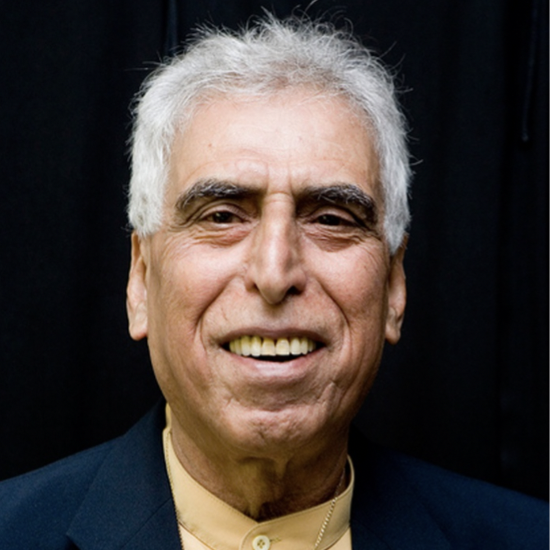
Saadi Youssef (1934-2021) is considered one of the most important contemporary poets in the Arab world. He was born near Basra, Iraq. Following his experience as a political prisoner in Iraq, he has spent most of his life in exile, working as a teacher and literary journalist throughout North Africa and the Middle East. He is the author of over forty books of poetry. Youssef has also published two novels and a book of short stories, and several books of essay and memoir. Youssef, who spent the last two decades of his life in London, was a leading translator to Arabic of works by Walt Whitman, Ngugi wa Thiongo, Federico Garcia Lorca, among many others.
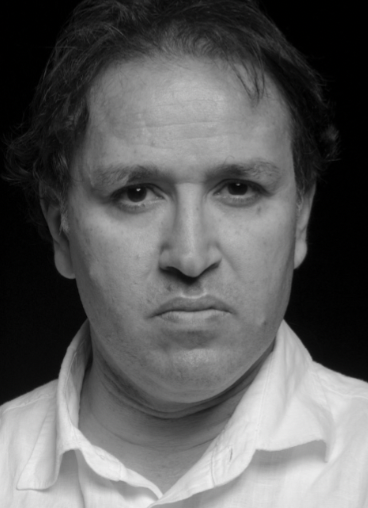
Khaled Mattawa is the William Wilhartz Professor of English Language and Literature at the University of Michigan. Mattawa's latest book of poems is Fugitive Atlas (Graywolf, 2020). He is the editor-in-chief of Michigan Quarterly Review.
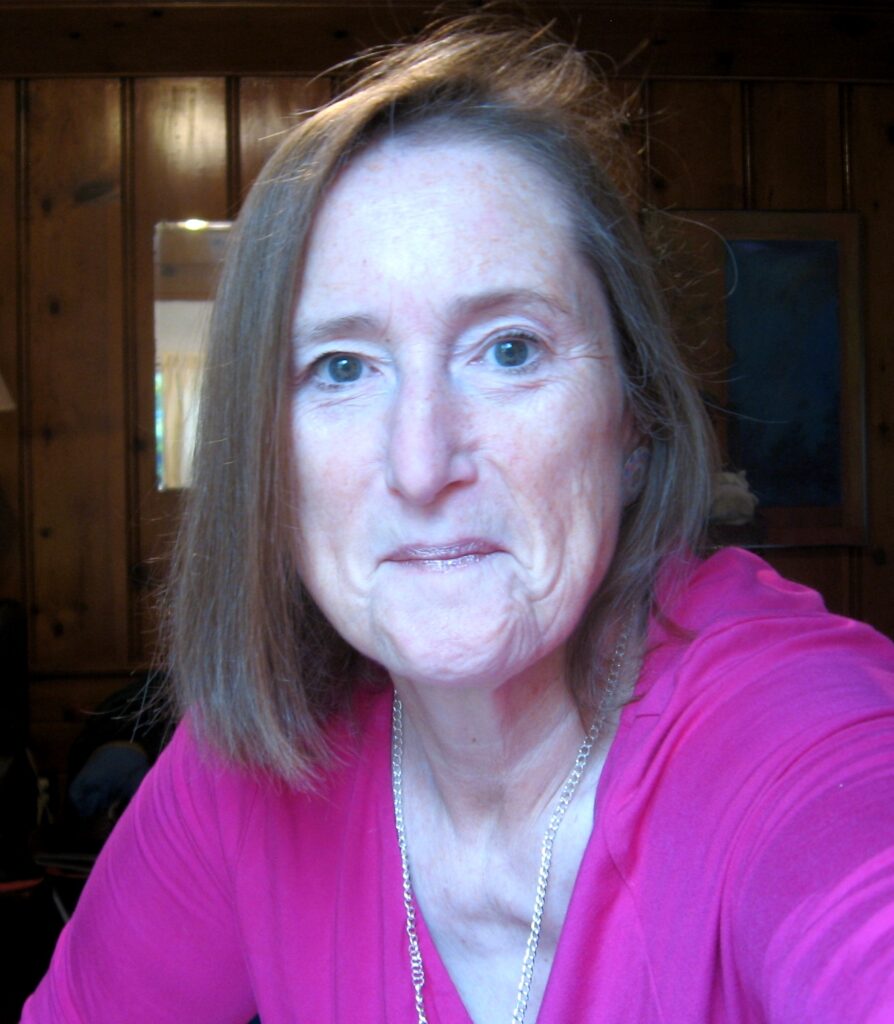
Catherine McGuire has been both a writer and artist for decades, switching between right and left brain self-expression; they are both necessary for the whole. Her recent introduction to gel printing has opened a new field of synchronistic discovery. The printing isn't controllable, and her unconscious finds image and symbol from the colors and textures, knowing that art can get past the ego's censors and reach deep within; she hopes her art can do that for the viewers. Catherine uses gel printing with stamping and stenciling to make the images. Website: www.cathymcguire.com