Downtime
art by Giovanni Apruzzese
by Mayan Rogel, translated from the Hebrew by Yaron Regev
(Prologue)
Once I was Marlene. I served Petra von Kant her gin and her mail in a black dress and bright lashes and was silent. I had no past, and the present was not mine. I looked, from below, at love transpiring. I saw my lady falling apart on the white carpet, and danced with her when the record player played and her hands extended to summon me. I was Marlene. And after three years, faced with my lady’s gaze, I packed my things and left without saying a word.
1.
It must be amnesia. That whole night, I could not recall your voice. From the tangle of memories, I rescued a black shirt, coarse fabric, short sleeves. I rescued the body heat from under the fabric, the back burning with the remains of the September summer. But not your voice. It’s amnesia. From now on I will dream you mute.
2.
Look, in moviemaking
(Remember I explained to you once?).
Just as in photography
(We climbed together to the reservoir on the French Hill and I told you about the huge plastic maze that had once been there, in the middle of the circle).
Everything outside the frame
(We walked back and forth on the wooden beam of the large statue overlooking Wadi al-Joz).
Does not exist. The world begins
(We kissed there, and I told you the neighbors could probably see).
And ends
(Then you took out the passion fruit basket and smiled as I licked the juice off the blade of the pocket knife).
In this unequivocal border.
And should the border of the frame cross a body,
(I felt the air, rustling over the skin, like once when still a child),
Its other half
(After the third passion fruit you said, “Too sweet for me,” and I knew. Here is one more of the things you just cannot contain).
Is gone. There is some comfort in that.
3.
You shed rings, remove a watch, exchange your clothes for the ones I had taken off. Your body is limp in the old harem pants and cut-neck t-shirt. Your grip is limp when you place me on the bed and open the heavy curtain, allowing the orange light of sunset to enter.
From your bag you take out the charcoal bits and a pad of paper. I observe your fingers blackening, your private smile as you draw my belly. You recreate my body, and my body melts, line by line, vanishing into the sheets.
4.
It’s lizard season, baby. [I left you a note on the fridge].
Pay attention. When you step, barefoot, on the asphalt
Do not step on the tails they leave behind as they flee,
Telling us
That in such a summer, one cannot
Remain whole.
5.
You place your hands on my body, and tell me to look at us. I look in the big mirror and think about that man I met in a different city, who kept the body of a bird in a jar, mummified with smoke and soot, and looked at it, each day, observing it crumbling into dust, and fading.
6.
Today my memory is involuntary. Like a diaphragm – it contracts and relaxes.
7.
Again, your cellphone is disconnected. This is a city-to-city drive.
Someone stole my radio at the cinema parking lot, and, rather than music, night creeps through the slightly open window of the car, howling with a movingly gentle touch.
It is a nocturnal tiredness, a dim pain in the soles of the feet. I leave no messages. You never answer.
One-hundred and twenty-three km/h, a truck blares as I drive past. You haven’t answered in months.
I remember Your words like the voicemail lady’s, telling me over and over that the number I’m trying to reach is not available.
I nod, with all required politeness to the soldiers at the road-block, and press the pedal to the floor.
(I search for your feet resting on the glove compartment, for your hand to wipe, with your sleeve and a girlish movement, the vapor gathered on the window).
The engine screams before it shifts gear. The glove compartment shivers. The streetlights are off at the turn. A packet of gum that fell from my purse takes your place in the seat beside mine.
8.
On a bed in a foreign country, nestled in a hotel room for one, I conjure you, and the wind rattles the large window overlooking the canal.
I remember us on the hood of my car on an empty hill on Valentines. We looked at the scouts lighting a distant fire message way down in the valley.
I’m not moving. Even if I wanted to, my muscles would refuse to obey. I no longer fight you now. My breathing slows, my limbs sink, one after the other.
We stand, hugging in the Supreme Court’s parking lot; in some kiosk at Herzliya; Your hand is in my hair; the Geha Highway, Friday afternoon; My fingers fidget with a ring on your finger at a cartoon matinee.
Your face turns blank as I speak. Your shoes are worn (black, gleaming leather). Your footsteps, your hand holding the soon-to-be-torn leather bag. I walk barefoot after you and look at your car drifting away.
Evening. I feel the asphalt cooling under my toes.
9.
At the French Hill interchange traffic light, you begged me to become a stranger once more. To do something to help you not know me so well.
I remained mute. It was winter.
We hugged by your house. No kisses, though, so they wouldn’t see. Your fingers dug into my shoulder. I was buried in the hair you had dyed red a few days before, and made a silent note to myself – jasmine – your whole street smells of jasmine.
10.
Our transition moments all vanish. Only the contours remain.
11.
In the side-view mirror on your car, the clouds look black, and, written in a fine, white hand, they bear the title of a painting, ‘Objects in a mirror are closer than they appear’. We stop on the way to pump some air into the tires, refuel, top up the windshield washer fluid, the brake fluid. Everything drains eventually. Now here’s something we both already know.
12.
I dream of stairwells, of basement floors. I dream of attic exhibitions, of elevators, train stations, bus stations, opera halls.
My house was vast tonight, we crossed it on a bicycle, end to end, and I forbade you to smoke on the balcony. (When did you even start?).
You talk more every night. But on this one we just rode, from one end of my house to the other. And you asked, “So where are you, Mayan?”
13.
“You have the symptoms of gray sleep,” I diagnosed, using Bukowski’s words when you told me you had gotten up at least three times that night. The second time, you stayed awake from quarter to four to quarter to five and then went, in a daze, to cut a watermelon. You left a few red drops on the counter for the ants, like you said you had done as a girl. Then you went back to sleep. A shallow sleep awash with dreams – until the next waking.
And I, who drowned in my sleep, rescued from my dreams only the memories of hand gestures. Perhaps I had dreamed you there, cutting a watermelon with the Muezzin of Shuefat, a moment before he voiced his call to prayer.
14.
At the first crossroads, after thirty-something kilometers, we stop in front of a porcupine. We each smile to ourselves. We will both remember it later, separately. At the roadside kiosk we buy cold beers and a salty snack. A wind ruffles our hair like a bygone dream. Next to a utility pole you motion for me to stop. We do, and you ask me to listen to the electricity. I do. It whispers, and makes my hair stand on end. We drive from south to north, into the cold of the mountains, just like in an Angelopoulos movie. But, failing to feel the air cooling all around us, you continue to smile, even when the gaps between the houses grow and the streetlights vanish.
15.
Two lanes from your car, at the red traffic light of the hotels’ intersection, I stopped to gaze at your face. You sang with the radio, you brushed hair from your face, looking for something in the glove compartment. It was you, I’m almost sure, almost sure you’d noticed me, a moment before driving on. Later, the scent of your hands re-emerged from all the scents of my skin. Your name is taking form again.
Now I must begin a new cycle of forgetting.
16.
We haven’t spoken for a week. She calls me, in tears, her voice as familiar as the taste of wonder bread. She says he is lying in the sink. He fell when she had tried to take him out to change the water. He is lying on a stainless-steel bed, trying to breathe. Suffocating from air. Dying. She can’t touch him. She just can’t. And she’s unable to pick him up in the net, and she doesn’t know what to do with the net, and he’s dead. He just died there.
I get into my car and drive too fast, calling to calm her from the road. She tells me she was able to get him back in the bowl, but I should still come, she thinks he may be all right, but she isn’t sure.
I go in. The house smells familiar, she opens the door, eyes red. She has painted her toenails maroon. I go to the jar. Her goldfish is floating on his side, losing color. I tell her he’s dead. She is crying again. Tells me I’m wrong, that he will recover. She thinks she saw him moving. I say, “He’s dead.” She sits on the sofa. I try to touch her, embrace her. She recoils. She wants me to bury him, refuses to flush him.
I gather him in the fishnet. The remaining fish explores the new expanses given him.
She stands aside, as I dig into the earth in the park, nodding like a girl when the small pit seems deep enough. I bury him there. She casts her eyes aside.
As naked as I’ll ever see her.
17.
I have never seen a person sleeping in such a sealed body. She sleeps on her stomach, hands folded under, legs stretched, pressed together and unmoving. If I look long enough, she will wake and notice me. Invite me into her bed.
I have learned to want only what is necessary.
18.
Tonight, she came to me. I summoned her from another dream. She entered, took off her shoes and said she had heard me. We shared a long hug. She wore light colors, almost alien on her body. I introduced her to the new dog, without telling her when the old one had died. Offered coffee. When I turned to the electric kettle, transparent, as she had always wanted, she changed her mind and vanished from the dream. Going away, she took the whole house with her, leaving me in an empty street. I sat on the edge of the curb, cradling the coffee cup with one hand, and with the other stroking the dog, who seemed, for a moment, lost.
19.
Afternoon. In his study, Aviv says that too great a love actually does exist. Come evening, I replicate his words on a first date with a woman, a stranger, and drink, in violation of due ceremony, red label Johnny at special price for rainy nights.
Later, at her house, I cannot find my place, so I place myself in her arms. She has ocean-scented soap bars in the bathroom, and neighbors whose mutterings pad the folds of our conversation under the covers. “I never would have guessed there’s so much softness in you,” she says, brushing her fingers through my hair. Red Johnny and I alone know how much I crave to be back home.
20.
In those final moments of transition between nocturnal Jerusalem and day, we sit, red-eyed, by a large table in the only place that really is open around the clock. She goes out to catch some of that clean, early morning air, and comes back. Perhaps I only imagine she is on the verge of tears, but her voice quivers when she asks for more hot chocolate. Sad, stripped of makeup, she draws all gazes to her.
I can’t tell whether I want her, or to be her. As time continues ticking with the traffic lights, towards morning, the distance fades between the two.
21.
And Fassbinder says, ‘Happiness is not always fun.’
22.
She goes to shower. I try her rings on my fingers.
After the shower, I already know she will let me hold her steaming body wrapped in a towel, but will not let me see her get dressed. The process of obscuring the body is more shameful than its exposure.
23.
Once, she watched a vendor dressing a mannequin. It was early in the morning, at the shopping mall, moments before she went into work. A featureless mannequin, smooth, beautiful in the extreme. Boyish breasts, smoothly opaque. Without a single opening. And he dressed her, silent and absorbed, with a simple dress and scarf, which he meticulously wrapped around her neck, giving it a disheveled appearance. Since then, she tells me, she has always dreamed someone would dress her just like that. Paying no attention to her body, or her skin, merely to the way the fabrics drape her.
24.
Three-thirty-seven in the morning. Too early for birdsong – yet they sing. My eyes are shut. In sleep, my words are soft. Her voice seeps through the holes of the earpiece. She asks me to tell her about us, about the beginning. They are my words that comfort her, the tales of the past. We had a fight earlier, neither of us can recall over what exactly. I cried, perhaps from tiredness. She orders me to tell her. I tell, and forgotten words infiltrate into the tale. She whispers, “Things have changed in you,” and falls asleep. I let her sleep, hanging up gently. Sunrise begins. I nestle in the comforter and what little light seeps in. Comforted.
25.
Her parents argued in Persian and spoke in Hebrew. They knew how to put boundaries between the anger language and the language of that other time. The few words I had learned, I forgot almost immediately. Left only with a ‘Joujou’ – a little bird.
26.
Tonight, I just can’t bring myself to write you in the third, detached, and nameless person. Again, I turn to you. A second person instigating a first. Your person instigating mine. I summon you, gazing at old photographs.
27.
For now, you are my recipient, deaf and bodiless. You fail to hear. I speak on.
28.
If I had listened better, I would have heard your doubt being born in the gap between the warmth of words and the chill of language.
29.
You made me swear, at noon, in the July heat, that I will never cook our rice without you. Hands clasping me, you leaned your head on my shoulder as I melted saffron in hot water, the smell of basil rubbing onto your fingers.
Now summer has returned. Or it is beginning. The absence of touch is the norm. Preparing rice, I leave out the saffron and basil.
30.
Look at me:
I give up, wholeheartedly, the right to write that which is not beautiful.
31.
There are things I learned from you. Making coffee, I leave behind, on the counter, some sugar grains. For the ants.
32.
For a full week, I have felt your body near and sated. You are lying on the benches in Dalaman airport, head on my knees. The flight has been delayed for six hours. To help you fall sleep, I slide my hand through your shirt sleeves, and peel the skin from your over-tanned back. Long, transparent strips, as soft as silk.
33.
When I walk barefoot in the house, remembering your touch I listen to my footsteps, the breathing of the house, and first realize – the detaching feet alone possess a sound. Attachment, mostly, is silent.
34.
The gecko’s head, butting in the palm of my hand, left a soft pain. I rescued you from a gecko that had lost its way into your bathroom, seeking an escape route through the crevices between the sink and the tiles. You did not speak to me that whole morning. Last night’s anger had left a bitter taste in your mouth. You drew some. I sat on the armchair to look at you. When you went to shower, I packed my things and plucked the keys from the wooden hooks by the door. A moment before I left and locked it behind me, you called, asking to be rescued.
I carried it out to the park in an old jam jar, and released it among the lavender bushes. When I got back, you insisted I wash my hands before we hugged. It was only much later that I got back to my own home. (I cannot recall what we spoke about all through that afternoon.)
35.
Drooped in the corner of the room, like some has-been ragdoll, I feel my face being peeled off me. Perhaps it’s the tiredness. I rummage in the letter box, unearth two of your sketches. You signed them ‘The Scribbler’. They said it would rain tonight, but the rain’s not coming, the air is heavy.
I do not close the letter box. Allowing the words you left me with, the fragile charcoal characters, to hover in the room through the night. I go to sleep.
36.
Since you left, every cell in me has changed. My body became acquainted with new distances. Solitary, I burned in the furnace of my own navel, which had once warmed you at night. I learned to dye my lashes black, and can say “Last Stop”, in Dutch.
Now I’m a stranger to you again, dear. Just as you wished.
37.
Letting go is a constant effort.
38.
An ant roams on your last words to me. It crosses the, ‘I simply want to mark’, momentarily stops at, ‘the deletion’, before turning south towards ‘not to leave any loose ends’. I blow on her. She lands by the table lamp, slightly confused, then continues her long, transcontinental journey towards the cracks on the wall’s horizon.
זמן מנוחה
מעין רוגל
ההיזכרות היא מנוחה, כי משמעה לא לפעול.
– פרננדו פסואה, ‘ספר האי נחת’
(פרולוג)
פעם הייתי מָרלֶן. הגשתי לפטרה פון קאנְט ג’ין ודואר בשמלה שחורה וריסים בהירים ושתקתי. לא היה לי עבר, וההווה לא היה שלי. הבטתי, מלמטה, באהבה מתרחשת. ראיתי את גברתי מתפרקת על השטיח הלבן, ורקדתי איתה כשהפטפון ניגן וידיה נשלחו לקרוא לי. הייתי מרלן, ואחרי שלוש שנים, מול מבטה של גברתי, ארזתי דברי והלכתי, מבלי לומר מילה.
1.
זו כנראה אמנזיה. לילה שלם לא הצלחתי להיזכר בקולך. מתוך סבך הזיכרונות הצלחתי לחלץ חולצה שחורה, מחוספסת בד וקצרת שרוולים. הצלחתי לחלץ את חום הגוף תחת הבד, את הגב הבוער בשארית הקיץ של ספטמבר. אבל לא את קולך. זו מחלת השכחה. מעתה ואילך אחלום אותך אילמת.
2.
הביטי, בקולנוע
(זוכרת שהסברתי לך פעם?)
כמו בצילום
(עלינו יחד אל מאגר המים שבגבעה הצרפתית וסיפרתי לך על מבוך הפלסטיק הענקי שהיה שם פעם, באמצע המעגל)
מה שמחוץ לפריים
(הלכנו, הלוך-חזור, על קורת העץ בפסל הגדול שצופה אל ואדי ג’וז)
לא קיים. העולם מתחיל
(התנשקנו שם, ואמרתי לך שבטח השכנים רואים)
ונגמר
(אחר כך הוצאת את סלסלת הפסיפלורות וחייכת כשליקקתי את העסיס מלהב האולר).
בגבול החד משמעי הזה.
ואם גבול הפריים חוצה גוף,
(הרגשתי את האוויר, מרחש על העור, כמו פעם, כשעוד הייתי ילדה),
חציו השני
(אחרי הפסיפלורה השלישית אמרת “מתוק לי מדי”, וידעתי: הנה, עוד אחד מהדברים שאינך יכולה להכיל),
אינו. יש משהו מנחם בזה.
3.
את מסירה טבעות, מורידה שעון, מחליפה את בגדייך בבגדים שפשטתי. גופך רפוי בשרוואל הישן ובחולצת הטי הגזורה בצווארון. אחיזתך רפויה כשאת מניחה אותי על המיטה ופותחת את הוילון הכבד, מניחה לאור הכתום של שעת השקיעה להיכנס פנימה. מהתיק את מוציאה את פיסות הפחם ובלוק ניירות. אני מביטה באצבעותיך משחירות, ובחיוך הפרטי שלך כשאת מציירת את בטני. את משחזרת את גופי, וגופי מתמוסס, קו אחר קו, נעלם אל תוך הסדינים.
4.
זאת עונת הלטאות, בייבי. [השארתי לך פתק על המקרר]
שימי לב, כשאת דורכת, יחפה, על האספלט,
לא לדרוך על הזנבות שהן משאירות מאחור במנוסתן,
מסמנות לנו
שבקיץ כזה, אי אפשר
להישאר שלם.
5.
את מניחה את ידיך על גופי, ואומרת לי שאביט בנו. אני מסתכלת במראה הגדולה וחושבת על האיש ההוא, שפגשתי בעיר אחרת, שהחזיק בצנצנת גופת ציפור, חנוטה בעשן ובפיח, והביט בה, בכל יום, מסתכל איך היא מתפוררת לאבק ונעלמת.
6.
היום הזיכרון שלי אינו רצוני. כמו סרעפת – הוא מתכווץ ונרפה.
7.
שוב הפלאפון שלך מנותק. זו נסיעה בין-עירונית.
את הרדיו שלי גנבו בחנייה של בית קולנוע, ובמקום מוסיקה, הלילה מסתנן דרך חלון המכונית הפתוח מעט, ומילל בעדינות נוגעת ללב.
זו עייפות לילית, כאב עמום בכפות הרגליים. אני לא משאירה הודעות. את לא עונה.
מאה עשרים ושלושה קמ”ש, משאית צופרת כשאני עוקפת. את לא עונה כבר חודשים.
את המלים שלך אני זוכרת בקול של הגברת מהתא הקולי, שמספרת לי שוב ושוב שהמנוי אינו זמין כעת.
אני מנידה בראשי, בנימוס המתחייב, לחיילים במחסום ומצמידה את הדוושה לרצפה.
(אני מחפשת את כפות הרגליים שלך מונחות על תא הכפפות, את ידך, שתנגב עם השרוול את האדים שהצטברו על החלון, בתנועה של ילדה.)
המנוע צועק לפני שהוא מחליף הילוך. תא הכפפות רועד. פנסי הרחוב כבויים בסיבוב. חבילת מסטיקים שנפלה לי מהתיק תופסת את מקומך בכיסא שלידי.
8.
על מיטה בארץ זרה לי, חפונה בחדר מלון המיועד לאדם אחד, אני מעלה אותך באוב, והרוח מתדפקת על החלון הגדול הפונה אל התעלה.
אני זוכרת אותנו על מכסה המנוע של האוטו שלי על גבעה ריקה בוולנטיינ’ס. הסתכלנו על שבט צופים מבעיר כתובת אש רחוק בעמק.
אינני זזה. גם אם ארצה, שרירי לא יצייתו. אני לא נלחמת בך עכשיו. הנשימה שלי מאיטה, איברי שוקעים בזה אחר זה.
אנחנו חבוקות במגרש החנייה של בית המשפט העליון, בפיצוציה אחת בהרצליה, היד שלך בשיערי, כביש גהה, יום שישי אחר הצהריים. אצבעותי משחקות בטבעת שענודה לאצבעך בהקרנת בוקר של סרט מצוייר.
פנייך נאטמות כשאני מדברת. נעליך ננעלות (עור שחור, מבריק). צעדייך, ידך האוחזת בתיק העור העומד להתפרק בקרוב. אני הולכת יחפה אחריך ומביטה במכוניתך מתרחקת.
ערב, אני מרגישה את האספלט מתקרר בין בהונותי.
9.
ברמזור של צומת הגבעה הצרפתית התחננת שאהיה שוב זרה. שאעשה משהו כדי שלא תכירי אותי טוב כל כך.
נשארתי אילמת. היה חורף.
ליד הבית שלך התחבקנו, אבל בלי נשיקות, כדי שלא יראו. האצבעות שלך חפרו בכתפי. נקברתי בשיער, שצבעת באדום כהה כמה ימים קודם, וציינתי לעצמי בשקט: יסמין. כל הרחוב שלך מריח יסמין.
10.
רגעי המעבר שלנו נעלמים, נותרו רק קווי מתאר.
11.
במראת הצד של האוטו שלך העננים נראים שחורים, ובכתב לבן, עדין, כתוב שם, כמו כותרת לתמונה, Objects in mirror are closer than they appear. אנחנו עוצרות בדרך למלא אוויר בגלגלים, למלא דלק, למלא נוזל ניקוי לשמשות, שמן ברקס. הכל מתרוקן בסוף. הנה משהו ששתינו כבר יודעות.
12.
אני חולמת על גרמי מדרגות, על קומות מרתף. אני חולמת על תערוכות בקומות הגג, על מעליות, תחנות רכבת, תחנות אוטובוסים, אולמות אופרה.
הלילה ביתי היה עצום, חצינו אותו על אופניים, מקצה לקצה, ואסרתי עליך לעשן במרפסת. (מתי התחלת?)
מלילה ללילה את מדברת יותר. אבל הלילה רק רכבנו, מקצה אחד של ביתי לקצהו האחר, ואת שאלת, ‘אז איפה את, מעין?’
13.
‘יש לך סימפטומים של שינה אפורה,’ אבחנתי במלים של בוקובסקי, כשסיפרת לי שקמת בלילה ההוא לפחות שלוש פעמים. בפעם השנייה נשארת ערה מרבע לארבע עד רבע לחמש והלכת, סהרורית, לחתוך אבטיח. השארת כמה טיפות אדומות על השיש, לנמלים, כמו שסיפרת שעשית כשהיית קטנה. אחר כך חזרת לישון. שינה רדודה וסחופת חלומות, עד להתעוררות הבאה.
ואני, שטבעתי בתוך השינה, חילצתי מחלומותי רק זיכרונות של תנועות ידיים. אולי חלמתי אותך שם, חותכת אבטיח עם המואזין של שועפט, רגע לפני שהוא קורא לתפילה.
14.
בצומת הראשון, אחרי שלושים ומשהו קילומטרים, אנחנו נעצרות מול דורבן. כל אחת מחייכת לעצמה. שתינו נזכור אותו אחר כך, בנפרד. בקיוסק שבצד הדרך אנחנו קונות בירה קרה ומשהו מלוח. הרוח פורעת את השיער כמו בחלום של פעם. ליד עמודי מתח גבוה את מסמנת לי לעצור. אנחנו עוצרות, את אומרת לי להקשיב לחשמל, אני מקשיבה, הוא לוחש, השערות שלי סומרות. אנחנו נוסעות מדרום לצפון, אל הקור בהרים, כמו בסרטים של אנגלופולוס. אבל את לא מרגישה באוויר המתקרר סביבנו וממשיכה לחייך, גם כשגדלים המרווחים בין הבתים ונעלמים עמודי התאורה.
15.
שני נתיבים מהמכונית שלך, ברמזור האדום בצומת המלונות, נעצרתי כדי להביט בפניך. שרת עם הרדיו, הזזת את השיער מהפנים, חיפשת משהו בתא הכפפות. אני כמעט בטוחה שזו היית את, אני כמעט בטוחה שהבחנת בי, רגע לפני שהמשכת לנסוע. מאוחר יותר מצאתי את ריח ידייך בין כל ריחות עורי. שוב הפך שמך לגוף.
עכשיו עלי להתחיל מחזור חדש של שכחה.
16.
לא דיברנו שבוע. היא מתקשרת אלי. הקול שלה מוכר כמו טעם של לחם אחיד. היא בוכה. היא אומרת שהוא שוכב בכיור, שהוא נפל כשניסתה להוציא אותו כדי להחליף מים. הוא שוכב על הנירוסטה ומנסה לנשום, והוא נחנק מרוב אוויר והוא גוסס. היא לא יכולה לגעת בו. היא לא מסוגלת. ולא מצליחה לתפוס אותו ברשת, והיא לא יודעת מה לעשות עם הרשת, והוא מת. הוא מת שם.
אני נכנסת לאוטו ונוהגת מהר מדי, מתקשרת להרגיע אותה מהדרך. היא אומרת שהיא הצליחה להכניס אותו חזרה, שאבוא בכל זאת, היא חושבת שאולי הוא בסדר, אבל לא בטוחה.
אני נכנסת. ריח הבית מוכר, היא פותחת לי את הדלת, עיניה אדומות. היא צבעה את ציפורני רגליה בבורדו. אני ניגשת לצנצנת. דג הזהב שלה צף על הצד ומתחיל לאבד צבע. אני אומרת לה שהוא מת. היא חוזרת לבכות. היא אומרת שאני טועה, שהוא יתאושש, שהיא חושבת שהוא זז. אני אומרת, ‘הוא מת.’ היא מתיישבת על הספה. אני מנסה לגעת בה, לחבק, היא נרתעת ממני. היא מבקשת שאקבור אותו, שלא אוריד באסלה.
אני אוספת אותו ברשת הדגים. הדג שנותר בודק את המרחב החדש שניתן לו.
היא עומדת בצד, כשאני חופרת באדמת הגינה הציבורית, ומהנהנת, כילדה, כשאני מגיעה לעומק שנראה לה מספיק. אני טומנת אותו שם, היא מפנה את מבטה הצידה.
עירומה מזה לא אראה אותה.
17.
מעולם לא ראיתי אדם ישן בגוף סגור כל כך. היא ישנה על הבטן, ידיה מקופלות תחתיה, רגליה מתוחות, צמודות זו לזו ולא נעות. אם אביט בה זמן רב מספיק, היא תתעורר ותבחין בי. תקרא לי להיכנס למיטה.
למדתי לרצות רק את המעט ההכרחי.
18.
הלילה באה אלי. קראתי לה מתוך חלום אחר. היא נכנסה, חלצה נעליים ואמרה ששמעה אותי. התחבקנו חיבוק ארוך. היא לבשה צבעים בהירים, שנראו כמעט זרים לגופה. הכרתי לה את הכלב החדש, לא סיפרתי מתי מת הקודם, הצעתי קפה. כשהסתובבתי אל הקומקום החשמלי, שקוף, כמו שתמיד רצתה, התחרטה, ונעלמה מהחלום. בלכתה, לקחה איתה את הבית כולו והותירה אותי ברחוב ריק. התיישבתי על קצה המדרכה, מערסלת ביד אחת את ספל הקפה ומלטפת ביד השנייה את הכלב, שנראה לי, לרגע, אבוד.
19.
אחר הצהריים, בחדר העבודה שלו, אביב אומר שדווקא יש אהבות גדולות מדי. בערב אני משכפלת את מילותיו בדייט ראשון עם אישה זרה, שותה, בניגוד לכללי הטקס, ג’וני אדום במחיר מיוחד ללילות גשם.
בביתה איני מוצאת מקום ולכן מניחה עצמי בידיה. יש לה סבון נקה 7 בניחוח ים בשירותים, ומלמולי שכנים המרפדים את השיחה שלנו, בין קפלי הפוך. “לא חשבתי שיש בך רכות כזו,” היא אומרת ומלטפת לי את השיער. רק אני וג’וני יודעים כמה אני רוצה לחזור הביתה.
20.
ברגעי המעבר האחרונים שבין ירושלים של הלילה לזו של היום, אנחנו יושבות, אדומות עיניים, ליד שולחן גדול במקום היחיד שבאמת פתוח סביב השעון. היא יוצאת החוצה, לנשום קצת את האוויר הנקי של לפנות בוקר, וחוזרת. אולי רק נדמה לי שהיא עדיין על סף בכי, אבל הקול שלה רועד כשהיא מבקשת עוד שוקו. נקייה מאיפור ועצובה, היא מושכת את המבטים של כולם.
אני מנסה להבין אם אני רוצה אותה או רוצה להיות היא. עם הזמן שעובר עד האור, ועם תקתוקי הרמזורים, המרחק בין השניים הולך, מיטשטש ומאבד חשיבות.
21.
ופאסבינדר אומר “Happiness is not always fun”
22.
היא הולכת להתקלח. אני מודדת את טבעותיה על אצבעותי.
אחרי המקלחת, אני יודעת כבר, תרשה לי לחבק את גופה המהביל, העטוף במגבת, אך לא תרשה לי לראות אותה מתלבשת. תהליך הסתרת הגוף מבייש יותר מגילויו.
23.
פעם הסתכלה על מוכר מלביש בובת חלון ראווה. מוקדם בבוקר, בקניון, רגע לפני שנכנסה לעבוד. בובה בלי תווים. חלקה, יפה כל כך, שדיים נעריים וכולה אטומה. בלי פתח אחד. והוא הלביש אותה, דומם ומרוכז, בשמלה פשוטה וצעיף, שכרך לצווארה בקפידה, כך שיראה מרושל. מאז, היא אומרת לי, תמיד חלמה שמישהו ילביש אותה כך. בלי תשומת לב לגופה, או לעורה, רק לדרך בה מונחים עליה הבדים.
24.
שלוש שלושים ושבע לפנות בוקר, מוקדם מדי בשביל ציוץ ציפורים, אך הן מצייצות. עיני עצומות. מתוך שינה המלים שלי רכות. קולה זוחל דרך חורי השפופרת, היא מבקשת שאספר לה עלינו, על ההתחלה. אלה המלים שלי שמנחמות אותה, הסיפורים של העבר. רבנו קודם, שתינו לא זוכרות עכשיו על מה בדיוק, בכיתי, אולי מעייפות. היא מצווה שאספר. אני מספרת, ומלים נשכחות מסתננות פנימה. היא לוחשת, ‘דברים השתנו בך,’ ונרדמת. אני מניחה לה לישון, מנתקת בעדינות. הזריחה מתחילה. אני מתכרבלת בפוך ובמעט האור שמסתנן פנימה, מנוחמת.
25.
הוריה היו רבים בפרסית ומדברים בעברית. הם ידעו להפריד בין שפת הכעס לשפת הזמן האחר. את מעט המלים שלמדתי, שכחתי כמעט מיד. נותרה לי רק ‘ג’וג’ו’ – ציפור קטנה.
26.
הלילה איני יכולה לכתוב אותך בגוף שלישי, מנותק וחסר שם. שוב אני פונה אליך. גוף שני מחולל גוף ראשון. גופך מחולל את גופי. אני מזמנת אותך אלי, מביטה בתמונות ישנות.
27.
בינתיים את הנמענת שלי, חרשת וחסרת גוף. אינך שומעת, אני ממשיכה לדבר.
28.
לו הייתי מקשיבה טוב יותר, הייתי שומעת את הספק שלך נולד בפער שבין חום המלים לקור השפה.
29.
השבעת אותי, בצהריים, בחום של יולי, שלא אכין את האורז שלנו בלעדיך. חיבקת אותי והשענת את ראשך על כתפי כשהמסתי זעפרן במים חמים וריח הבזיליקום דבק באצבעותיך.
עכשיו שוב קיץ. תחילתו בכל אופן. חוסר המגע שגור. כשאני מכינה אורז, אני משמיטה את הזעפרן והבזיליקום.
30.
הביטי בי:
אני מוותרת, בלב שלם, על הזכות לכתוב את מה שאינו יפה.
31.
יש דברים שלמדתי ממך. כשאני מכינה קפה אני משאירה אחרי, על השיש, כמה גרגירי סוכר. בשביל הנמלים.
32.
שבוע שלם הרגשתי את גופך קרוב ושבע. את שוכבת על הספסלים בשדה התעופה של דאלאמן, ראשך על ברכי. הטיסה מתעכבת כבר שש שעות. כדי להרדים אותך, אני משחילה את ידי דרך שרוולי חולצתך, ומקלפת מהגב ששזפת יתר על המידה את נשל העור. פיסות ארוכות, שקופות, רכות כמו משי.
33.
כשאני הולכת יחפה בבית, ונזכרת במגע ידייך, אני מקשיבה לצעדי, ולנשימות הבית, ומבינה לראשונה – רק לעור הניתק יש קול. ההיצמדות, לרוב, היא שקטה.
34.
ראש השממית שנגח בכף ידי הותיר אחריו כאב רך. הצלתי אותך משממית שתעתה אל חדר האמבטיה וחיפשה להימלט דרך החריצים הקטנים שבין הכיור לחרסינות. בוקר שלם לא דיברת איתי, הכעס מהלילה הותיר בפיך טעם חריף. ציירת קצת. ישבתי על הכורסה להביט בך. כשהלכת להתקלח, ארזתי את חפצי, קטפתי את המפתחות מווי העץ שלצד דלת הכניסה. רגע לפני שיצאתי ונעלתי אחרי, קראת לי, שאציל.
נשאתי אותה החוצה אל הגינה הציבורית בתוך צנצנת ריבה ישנה ושחררתי אותה בין שיחי הלבנדר. כשחזרתי, דרשת שאשטוף ידיים לפני שנתחבק. לביתי חזרתי רק מאוחר יותר. (איני זוכרת על מה דיברנו כל אותו אחר הצהריים.)
35.
שמוטה בפינת החדר, כמו בובה-זהבה של פעם, אני מרגישה את פני מתקלפות ממני. אולי זו העייפות. אני מחטטת בקופסת המכתבים, שולה שני רישומים שעשית. חתמת ‘המקשקשת’. אמרו שירד הלילה גשם, אך הוא אינו מגיע, האוויר כבד.
איני סוגרת את קופסת המכתבים. מרשה למלים שהותרת לי, לדמויות הפחם השבירות, לרחף הלילה בחלל החדר. אני הולכת לישון.
36.
מאז הלכת התחלפו כל תאיי. גופי הכיר מרחקים חדשים. בערתי לבד בכבשן הטבור שלי, שחימם אותך בלילות. למדתי לצבוע את ריסי בשחור ולהגיד בהולנדית ‘תחנה אחרונה’.
עכשיו אני זרה לך שוב, יקירה. כפי שביקשת.
37.
ההרפיה דורשת מאמץ בלתי פוסק.
38.
נמלה מטיילת על המלים האחרונות שלך אלי. היא חוצה את “אני רוצה בפשטות לסמן” נעצרת לרגע על “את המחיקה.” לפני שהיא מדרימה אל “לא להשאיר קצוות.” אני נושפת עליה. היא נוחתת ליד מנורת השולחן, מבולבלת מעט, וממשיכה במסע הארוך וחוצה היבשות אל סדקי הקיר שבאופק.
(ינואר 2005)
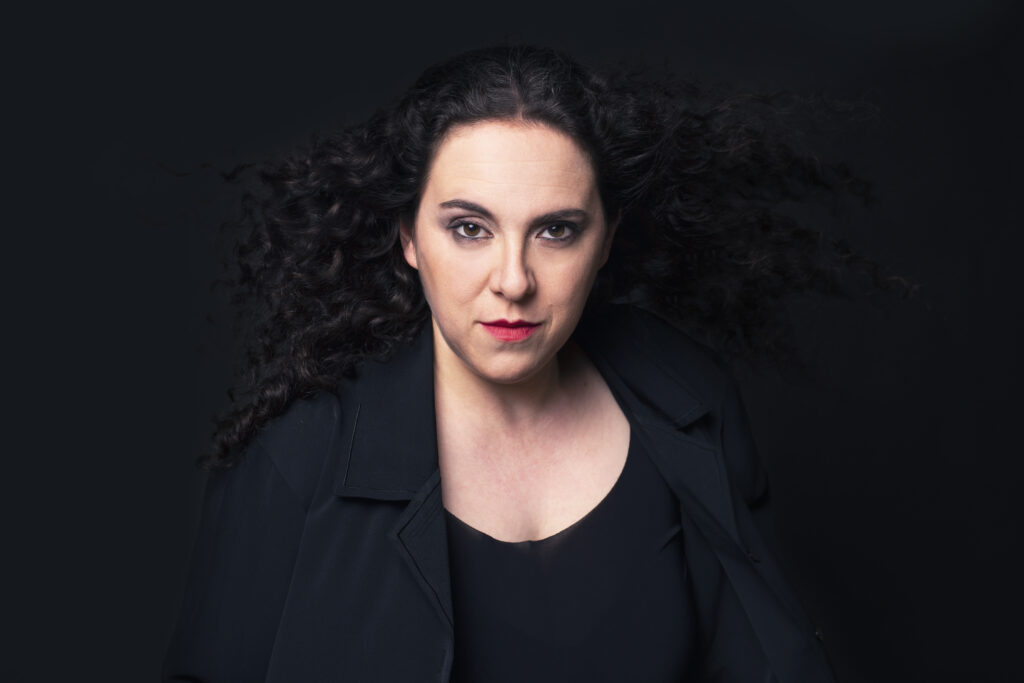
Mayan Rogel is an Israeli author, screenwriter, and literary editor working across speculative fiction, literary fiction, and nonfiction. Her books include She Wolf and Screen Name, and her short fiction has appeared in Granta, Ho!, Helicon, and other literary journals. Her work has been supported by grants from Mifal HaPais, the Israeli Ministry of Culture, and the Rabinovich Foundation for the Arts. Based in Tel Aviv, she teaches creative writing and consults on narrative development for literature and film.
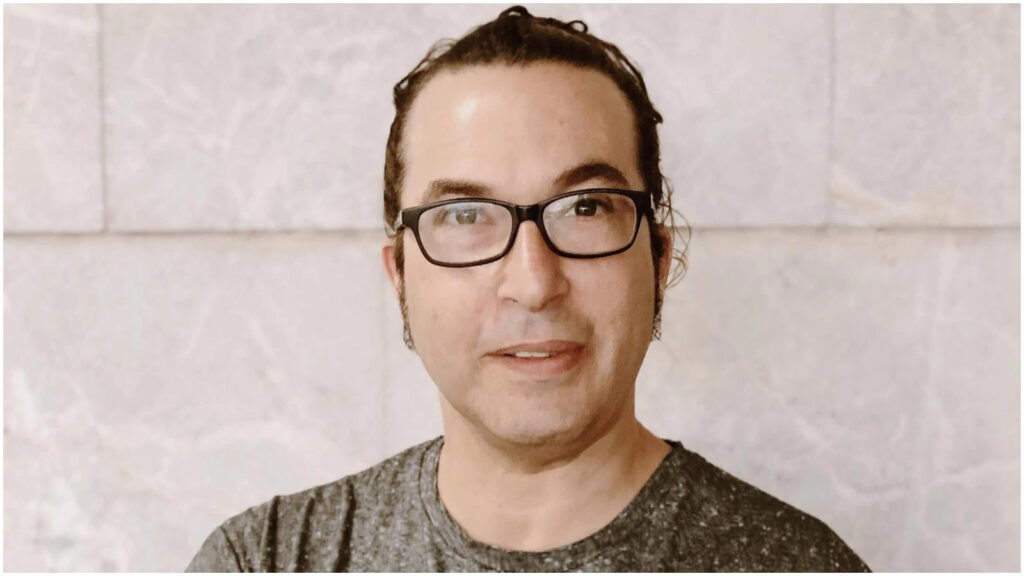
Yaron Regev is an Israeli author and literary translator who works in both Hebrew and English. His published and forthcoming works include the graphic novels Ghosts of Love and Country (2019), The Cave (2022), and Strike Me Down (forthcoming in 2027), the YA fantasy series The Door Behind the Sun, and several novels for adults. He also translates fiction across a wide range of genres.