Evidence for specters
by Joshua Unikel and Jason Francisco
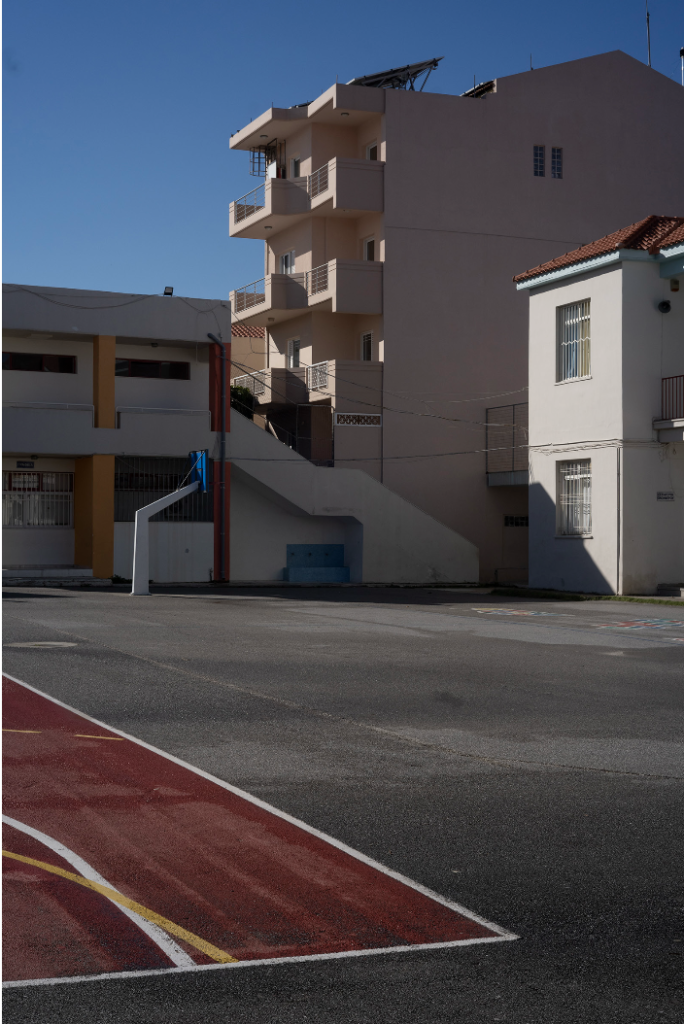
Evidence for specters or, a trial of forgetting and the transport forced,
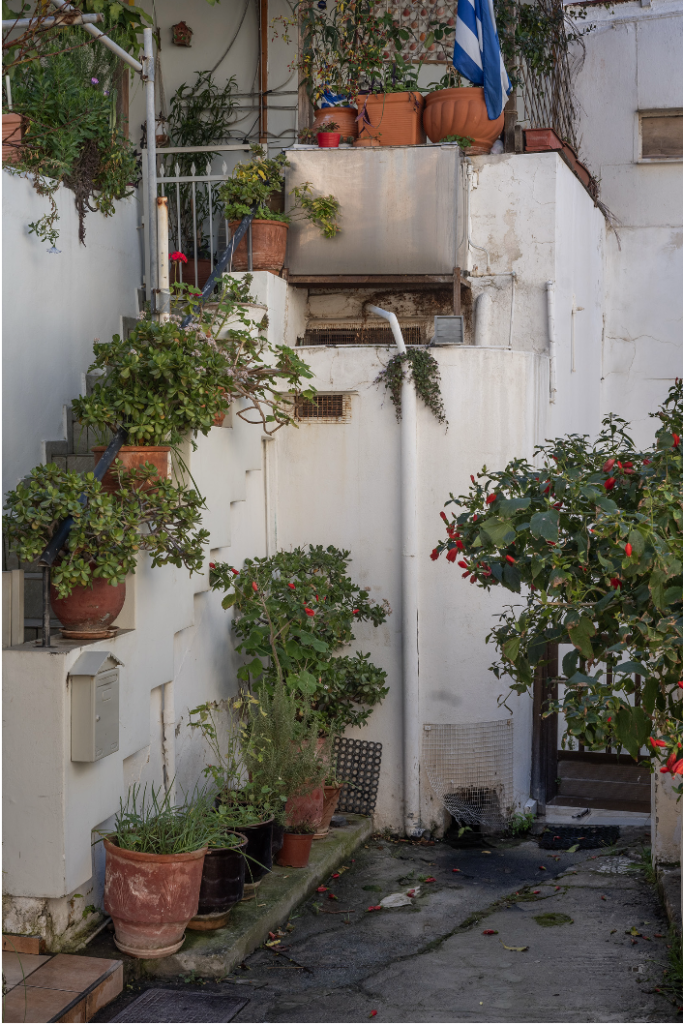
At once shut in four cargo holds hundreds, into Greek history rusted and locked like,
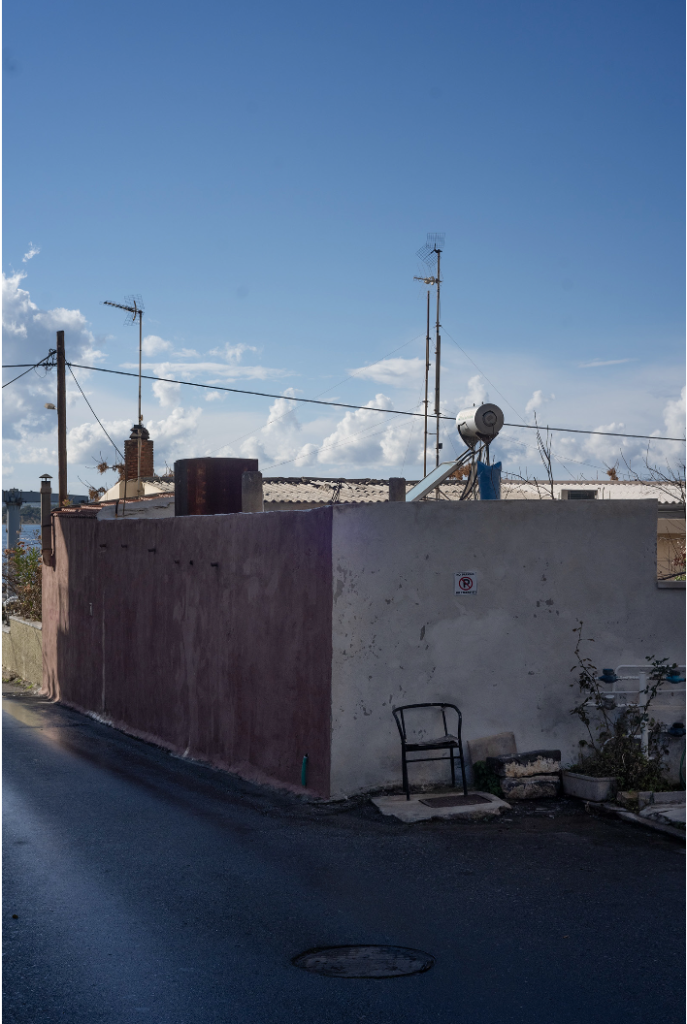
Secrets the memory of an Axis shut, a ship hidden 1800 meters beneath,
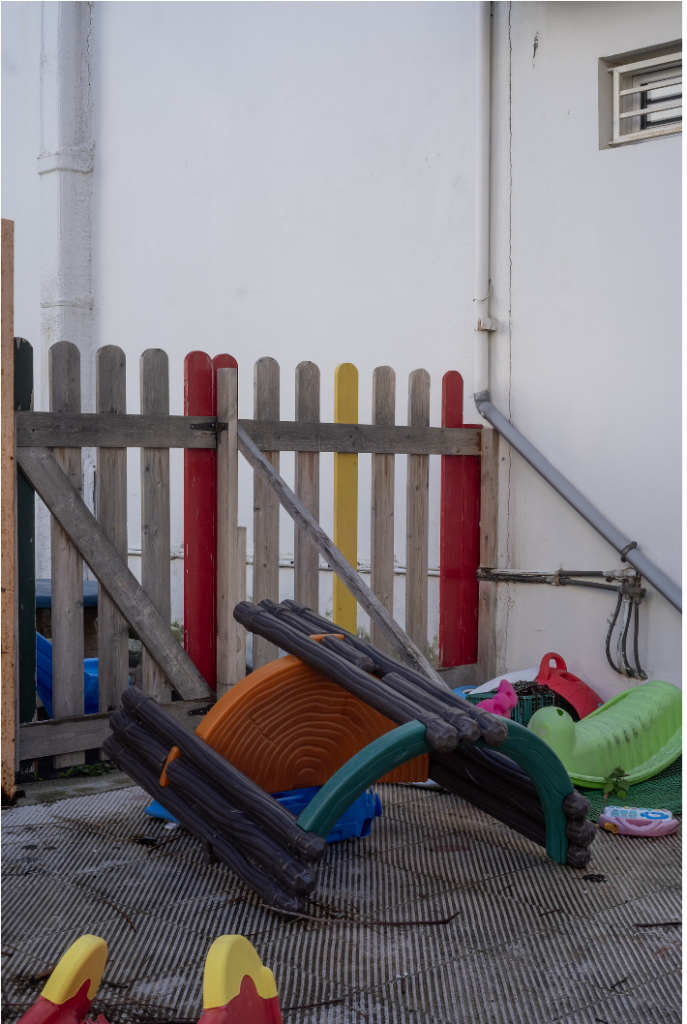
The twentieth century a sentence of breathless British missiles off the island of,
the Tanaïs into a weightless skid shipped,
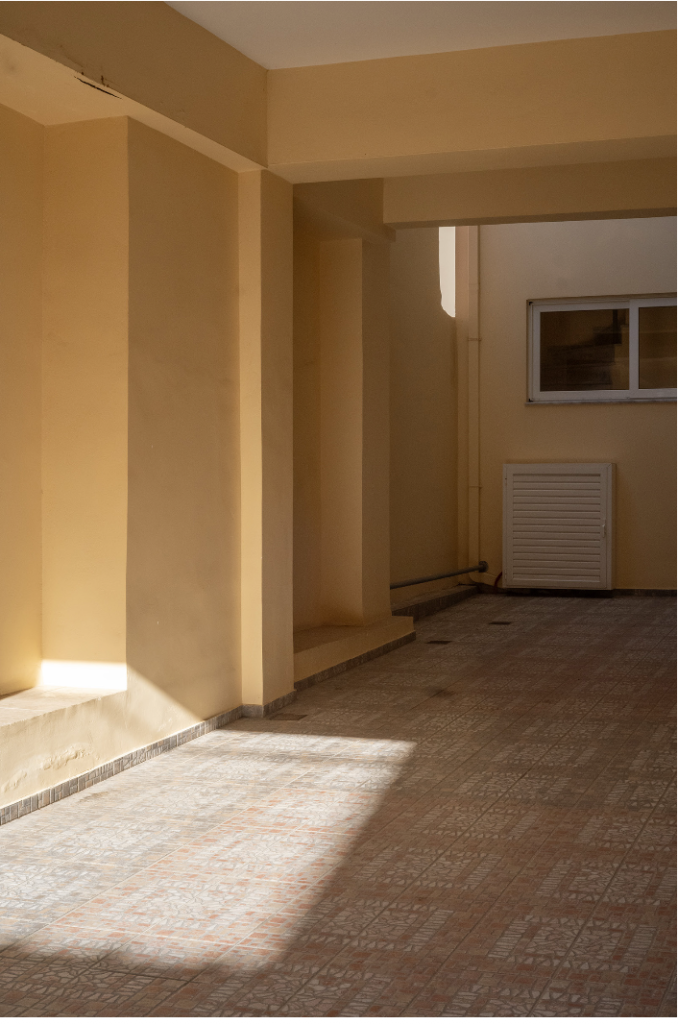
The freefall of all the anti-Fascist and all the Orthodox dissident and all the Jewish, Cretans too Cretan
and cargo deemed deserving of
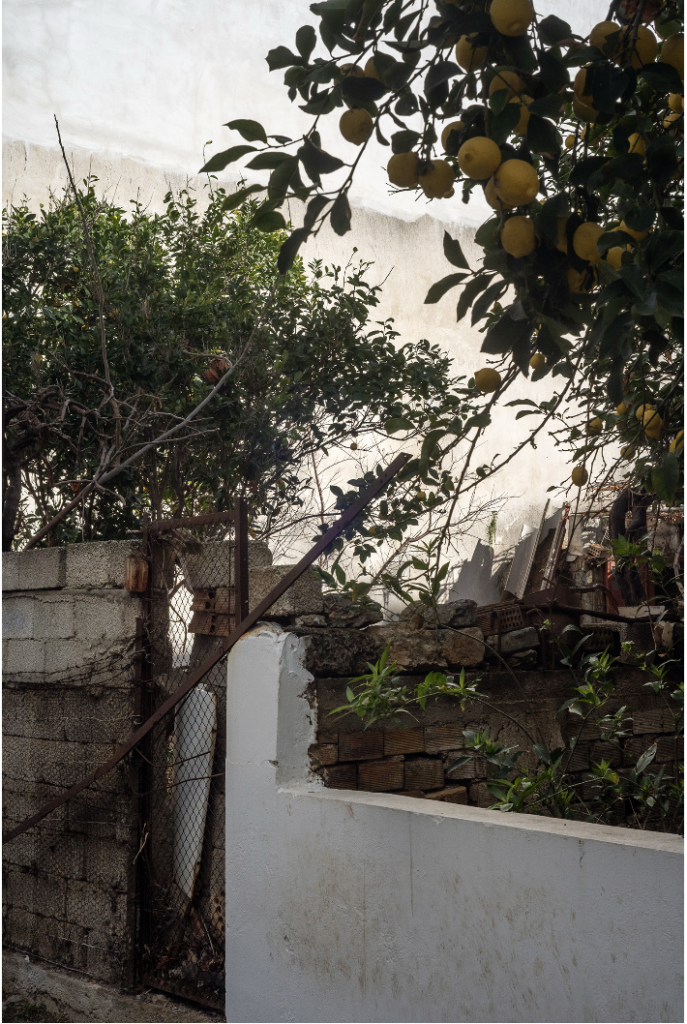
Evidence without witnesses or defendents, just victims and if.
Note: This essay looks at and into the Jewish past on the island of Crete.
The images were made in the Jewish cemetery in Chania, a city with a
Jewish community that lived continuously on the island from the 4th or
3rd century BCE until late in WWII. After the Holocaust, the cemetery was
overbuilt and is today functionally unmarked and unrecognizable, its bones
lying beneath the everyday world. The text, a prose poem written as photo
captions, reflects on the loss of the Cretan Jewish community during forced
sea transport in 1944. Together, the text and images contemplate erasure and
absence in the worlds that genocide gives us.
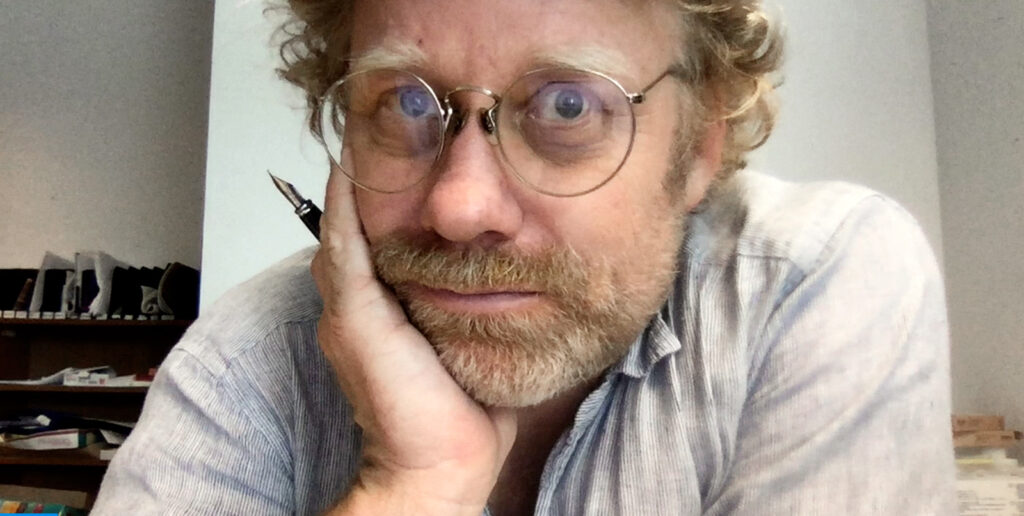
Jason Francisco is the author, most recently, of Autobiography of an Unknown American (Fall Line Press, 2026) and Alive and Destroyed: A Meditation on the Holocaust in Time (Daylight, 2021). His work is in the special collections libraries of Stanford, the University of Pennsylvania, the University of California, and the Bibliothèque Nationale in Paris, among many others.
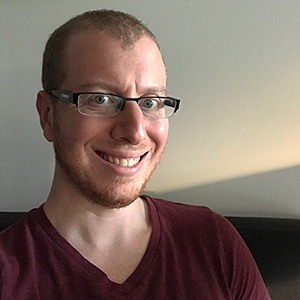
Joshua Unikel has been published in The Iowa Review, TriQuarterly, The Normal School, [PANK], The Journal, and elsewhere. His work has been collected in The Smithsonian’s Cooper Hewitt Library; The Library of Congress Rare Books and Manuscripts Collection; The Poetry Center Library; The Book Arts Center (NYC); and other national institutions. He is a contributing editor of Seneca Review. Unikel has an MFA in creative nonfiction from the University of Iowa and an MFA in studio art from the University at Buffalo.