Interviews
-
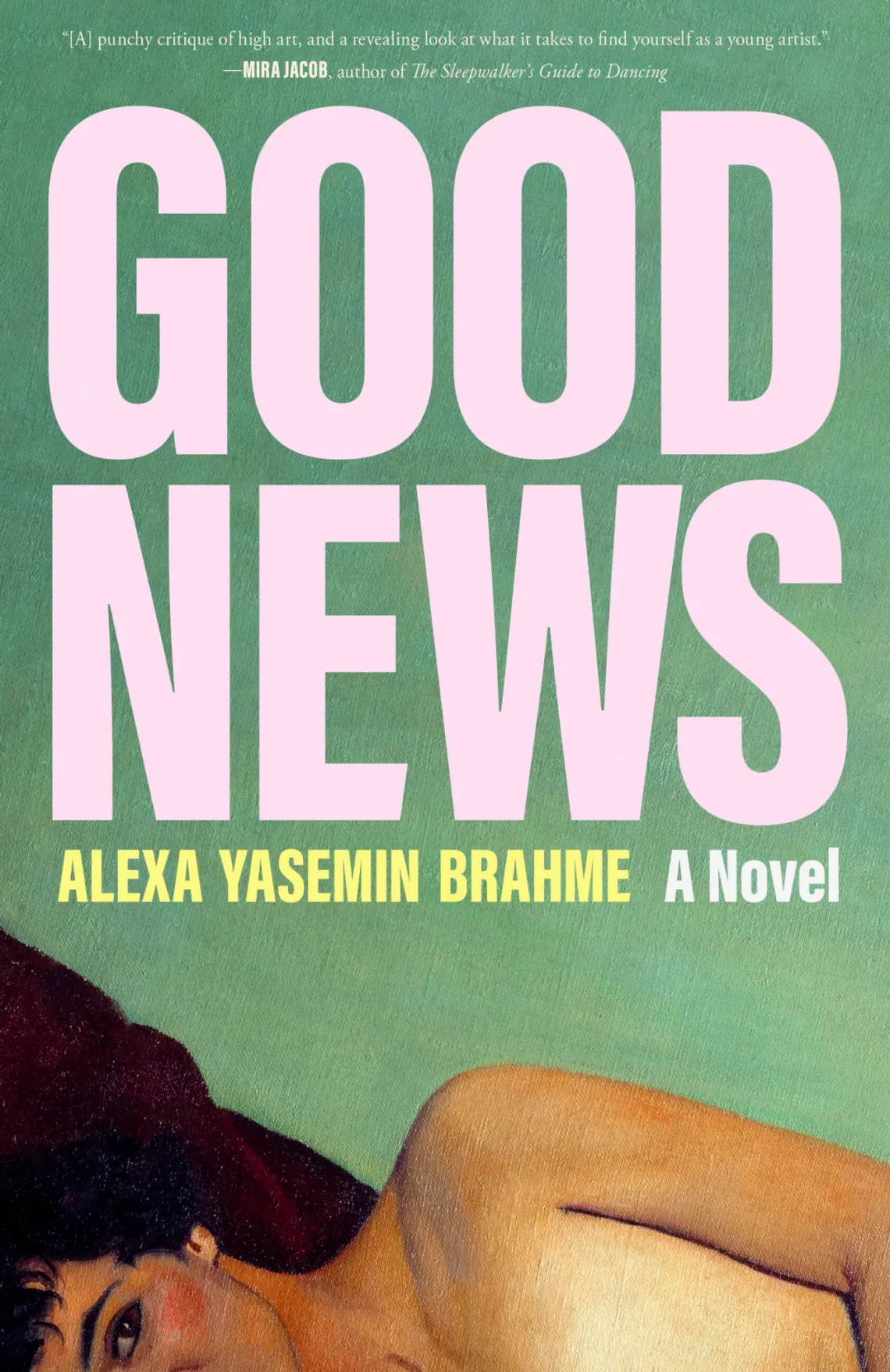
An interview with Alexa Yasemin Brahme (MFA ’22) on her debut novel “Good News”
by LIT Interviews and Books Editor Jonathan Kesh
Good News, the debut novel by Alexa Yasemin Brahme, weaves a web of many different topics from art to immigrant families to dissections of womanhood, but the title reflects the central focus of a young artist waiting for things to get better.
The novel follows a struggling painter named Maggie — although her family and a certain ex-boyfriend know her by her Turkish name, Müjde — as several points of stress in her life converge at once. Her studio art MFA is reaching its end,
-
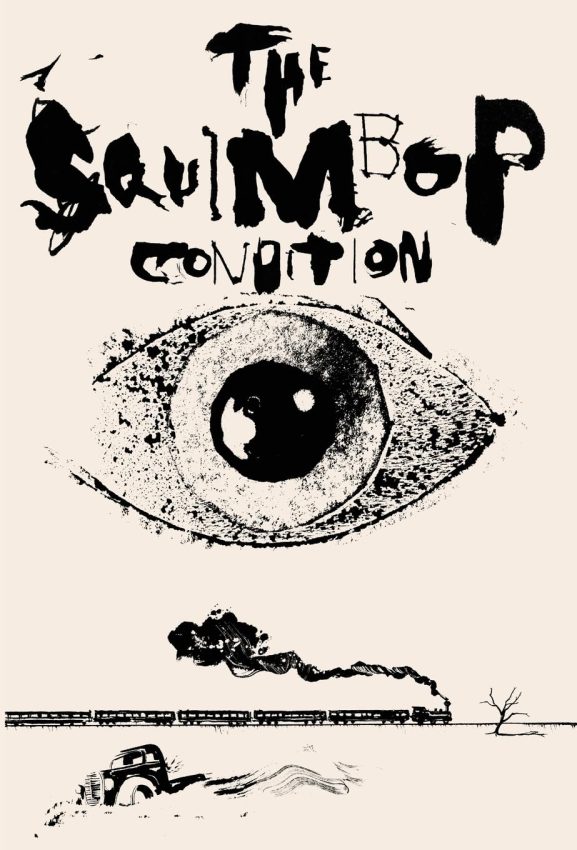
The Squimbop Condition: An Interview with David Leo Rice on his Latest Novel
by Isabel Piazza Risi
In The Squimbop Condition, the newest novel from David Leo Rice, the New School alumnus crafts a surreal story of myth, madness, and an everlasting quest.
While first ideated as a series of interconnected short stories, The Squimbop Condition threads together years of writing into a complete fable-like narrative. The novel follows two brothers, Jim and Joe Squimbop, as they slip and slide through time, realities, and history. From Hollywood to Europe to Dodge City and all around the globe, the bizarre duo reshape reality in their endless mission to bring about the Golden Age in this sometimes-slapstick,
-
Global Voices Interviews
In the latest installment of LIT’s Global Voices interview series, Québecoise poet, translator, and scholar Chloé Savoie-Bernard speaks on fragmentation, feminist and queer legacies, the politics of opacity, and the power of poetry to make kingdoms from ruins.
-
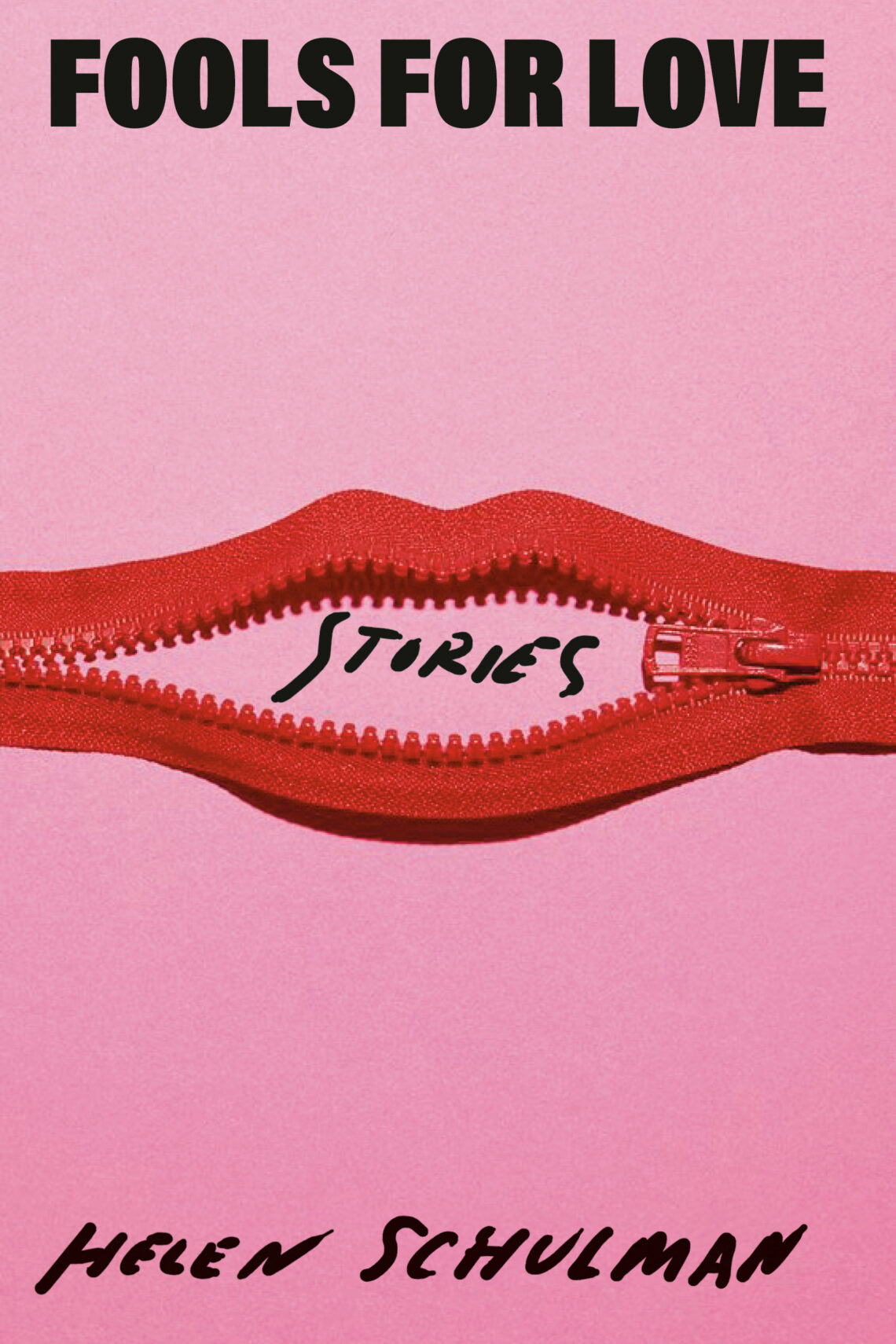
Fools For Love: An interview with Helen Schulman on her short story collection
Interview by LIT Books Editor Jonathan Kesh
While reading Fools for Love, the new collection of short stories from New School MFA professor Helen Schulman, it won’t take long until you see names begin to reappear between stories.
While comprised of separate, standalone tales, the full collection blends together into a much more interconnected world, and follows a number of different New Yorkers from different corners of the city over multiple generations. As hinted by the collection’s name, unsustainable relationships and characters with dysfunctional ideas of love abound. The title story follows a web of bohemian partnerships in the heyday of the East Village,
-
Ghost Fish: An interview with Stuart Pennebaker (MFA ‘23) on her debut novel
Interview by LIT Books Editor Jonathan Kesh
Like plenty of great ghost stories, Stuart Pennebaker’s debut novel Ghost Fish begins as an extremely grounded tale. That it continues to feel realistic in its natural, interior way, even when a spirit entrenches itself into the story, is what makes it especially unique.
Ghost Fish follows a young twenty-something named Alison, who recently arrived in New York in hopes of a fresh start after a series of family tragedies left her isolated and entirely on her own. In particular, Alison is heavy with memories of her nearly twin sister — they were almost a year apart,
-
Cyborg Fever: An Interview with Laurie Sheck on her Third Novel
Interview by Mal Ward
In Laurie Sheck’s, Cyborg Fever, she transports readers into a meditative state of profound thinking, focused on humanness and its complexity in the age of technology and AI. The novel centers around Erwin, an orphan named after the physicist, Erwin Schrödinger. After a year-long fever dream, he experiences hallucinatory-like visions that begin by observing Funes (of Jorge Luis Borges’s story, “Funes and the Memorious”) meticulously researching on a computer.
The array of facts that Funes discovers introduces us to Austrian physicist, Ludwig Boltzmann, and the theory of entropy,