I Was Seen
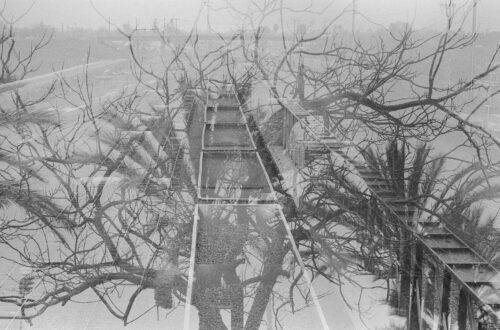
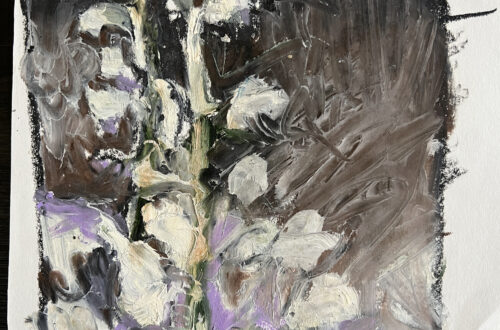
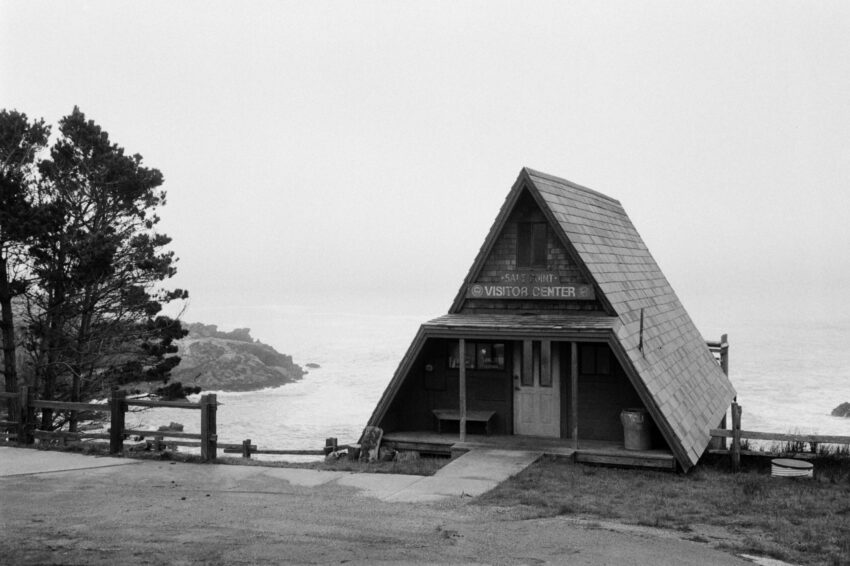
art by Thomas Vogt
by Laurie Blauner
I wanted instruction in something different. So I took a course called “The Photography of Confession” along with Tai Chi and clogging classes. The teacher, Bill, showed us Diane Arbus, Irving Penn, Yousuf Karsh, and Cindy Sherman photographs. He told us why they were good. Which made me think about how we were all pinioned in our own times, with their particular concerns such as identity, perception, and human or animal nature. Everyone knew how to click a photograph. It was always an individual’s point of view, their choices of when, where, how, and why. But Bill explained, The best ones capture an arbitrary gesture. Like a surprise, it’s something about that person that even they didn’t know about themselves.
I raised my hand in the dingy community college class room, with its filthy, clouded windows and wobbly chairs. The desks tilted. Are there any self-portraits involved?
Yes.
But I like disappearing rather than appearing, I complained.
The best portraits are when the other people are unaware of you and the camera, he intoned, his bowtie wriggling slightly. But a self-portrait is something wholly different, representational, existential and it could change your life.
My life was flimsy enough, with my bad leg, insomnia, choking, even when I ate bland foods. Nothing came easy to me. But I wanted to recover as though I, myself, was a disease. The first assignment was to catch a person or people from something in motion. I boarded an early train to a nearby state. A fog began outside and I wanted to peel the stain of light that broke through my window and place it where I wanted it to be. The train began to move and I photographed various people on their way to work. They seemed sad and heavy with unresolved feelings. They filled up my lens as fog and smoke undulated around them. I felt especially good about these pictures when I received an A.
The next assignment was a portrait of just one person from their shoulders upward. Because I lived alone in a studio apartment and had few friends and no family left this was problematic. My bad leg stuttered against the floor more loudly and I could hardly sleep wondering what to do in this overwhelming city. I grabbed my camera on my way to my job at an accounting firm. I studied the stubbled face of the younger man who made my coffee. A scar that zigzagged down his cheek was mesmerizing. He spoke little English though. Time was overtaking me. Class was that night. Then a car accident happened on the street in front of me. A bicyclist was on the ground screaming. Parts of his body seemed broken. His face was an enormous yelling mouth. Bill was so pleased with the photograph he encouraged me to see him in his office.
When I went I also brought my first self-portrait. Me: tiny in the corner of my apartment, my arms crossed in front of me protectively, my eyeglasses hiding my eyes. I was so pale in the dark corner of the room. This is wonderful work, he beamed, holding each picture aloft. The emotions, the details. His untidy office had papers, books, his own framed photographs, mostly landscapes except for a woman and a little boy in an old sailor’s hat, along the wall. I touched
the glass over that picture.
My ex-wife and child. Now I have no one, Bill said. His eyes returned to me. Leave me everything you do and I would be happy to comment and help you.
I was excited, leaving his pea-green, messy office. I didn’t feel like my usual person, me, as if I could change who I was because of my photographs. In class I noticed Bill’s sight lingering on me, someone of interest. I grew and grew inside, imagining various situations, the removal of my brown leather belt, his checkered tie on a wooden floor, a mussed bed. All Bill’s movements and words in his class suddenly seemed meant for me and full of extraordinary meaning. I slept well. My leg was better. I ate voraciously.
This city, not where I grew up, was full of windows, doors, concrete. I found much to photograph, a landscape of growing and replaced buildings, people, pets, the decrepit parks, parties, with music spilling out into the streets. I always shared these with Bill, who commented and admired my work. I wandered to parts of the city I hadn’t previously seen, discovering new neighborhoods, trying new restaurants and clothes, movies, books. I abandoned Tai Chi and clogging. I needed new self-portraits.
I felt porous and filled with a drenched, unsatiable light. Everything seemed visible, loveable, wrenching. I was walking down the street of another new, hidden borough and my reflection on glass reminded me of the face of someone from the cover of a romance novel. Something was happening to me. Maybe next I would travel outside the city. I was passing an art gallery but stopped to look at the pictures, mostly paintings, but a few scattered photographs were imbedded among the art. At first I couldn’t focus on them. Then I saw my self-portrait. They wounded me deeply. I entered the gallery, shaking, dragging my leg. I pointed to the photographs. My voice was trembling when I asked the woman at the front desk, wearing stylish eyeglasses and a red dress, Who is the artist?
Bill Grant, she answered.
My world went black for a moment like light-struck film. Then I knew I would hurt him in every way I could.
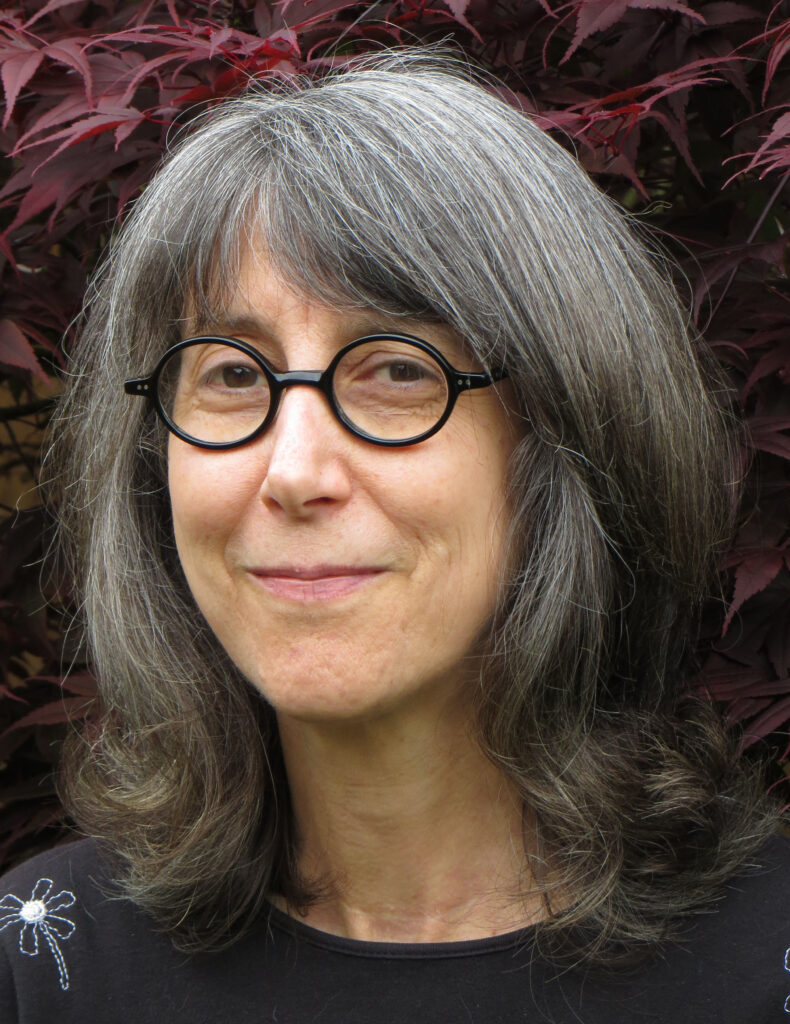
Laurie Blauner is the author of five novels, nine books of poetry, and a creative nonfiction book which won PANK’s CNF Book Contest. A second nonfiction book, Swerve, was just released from Rain Mountain Press. A new novel called Out of Which Came Nothing was published by Spuyten Duyvil Press. Her latest poetry book is Come Closer which won the Library of Poetry Award from Bitter Oleander Press. Her work has appeared in The New Republic, The Nation, The Georgia Review, American Poetry Review, Bomb Magazine, Mississippi Review, Poetry, Tupelo Quarterly, Denver Quarterly, The Colorado Review, South Dakota Review, The Best Small Fictions 2016 and many other magazines.
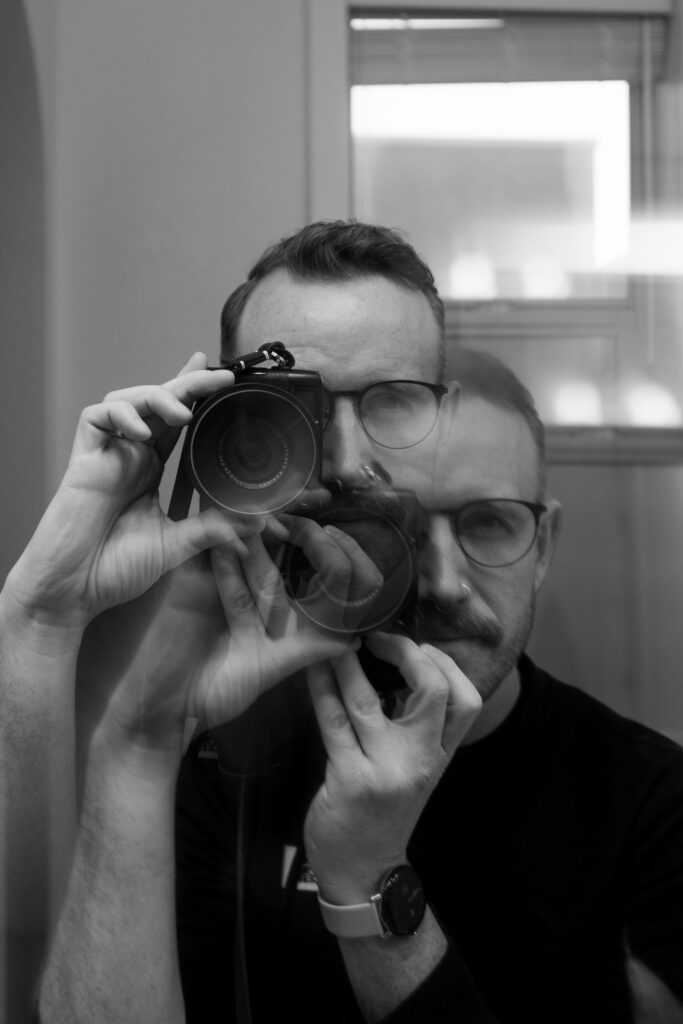
Thomas Vogt is an aspiring poet, photographer, and city planner in Sacramento, California. He enjoys capturing the ‘every day’ through a pen, a lens, or behind a mug at your local coffee shop. His work can be found in Radar Poetry, Magpie Zine, and 3elements Review.”
bsky.app/profile/tele-vision.bsky.social
@___television