Eternal Questions
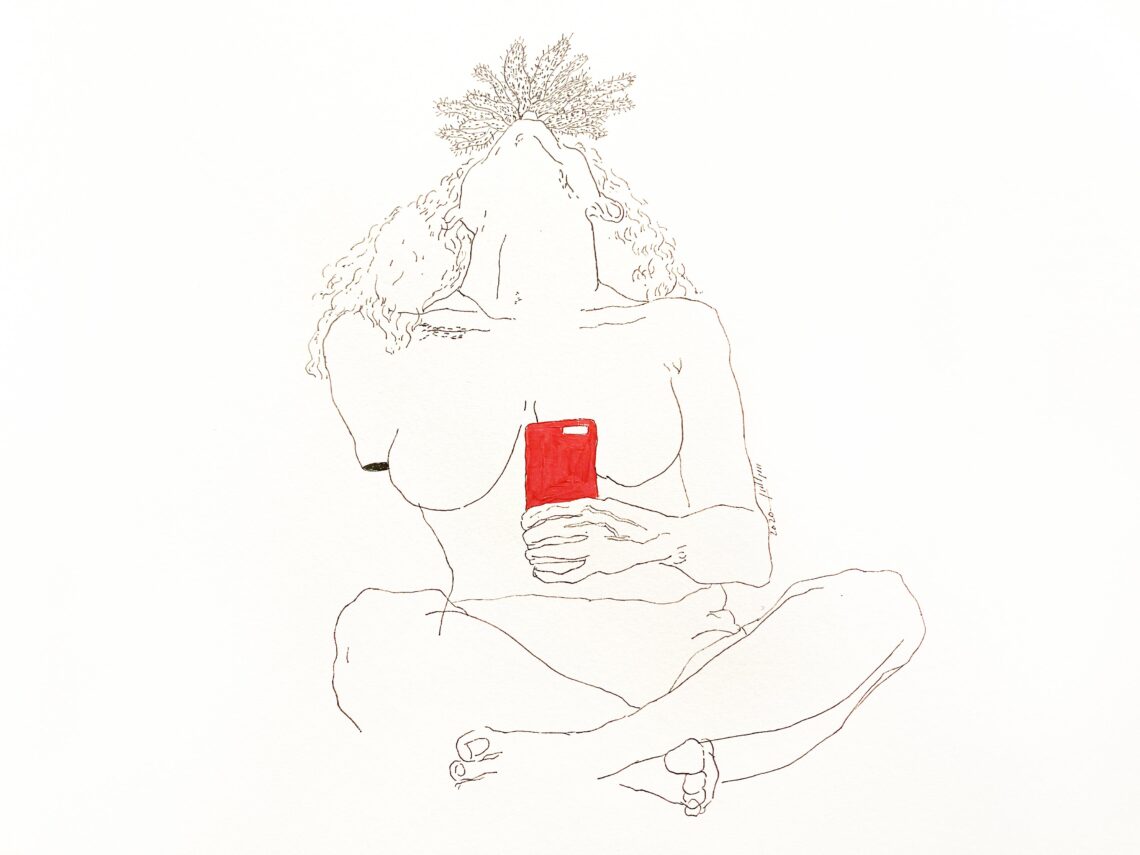
art by Soha Kabiri
by Hamed Soleiman Tabar
Translated from the Persian by Ali Asadollahi
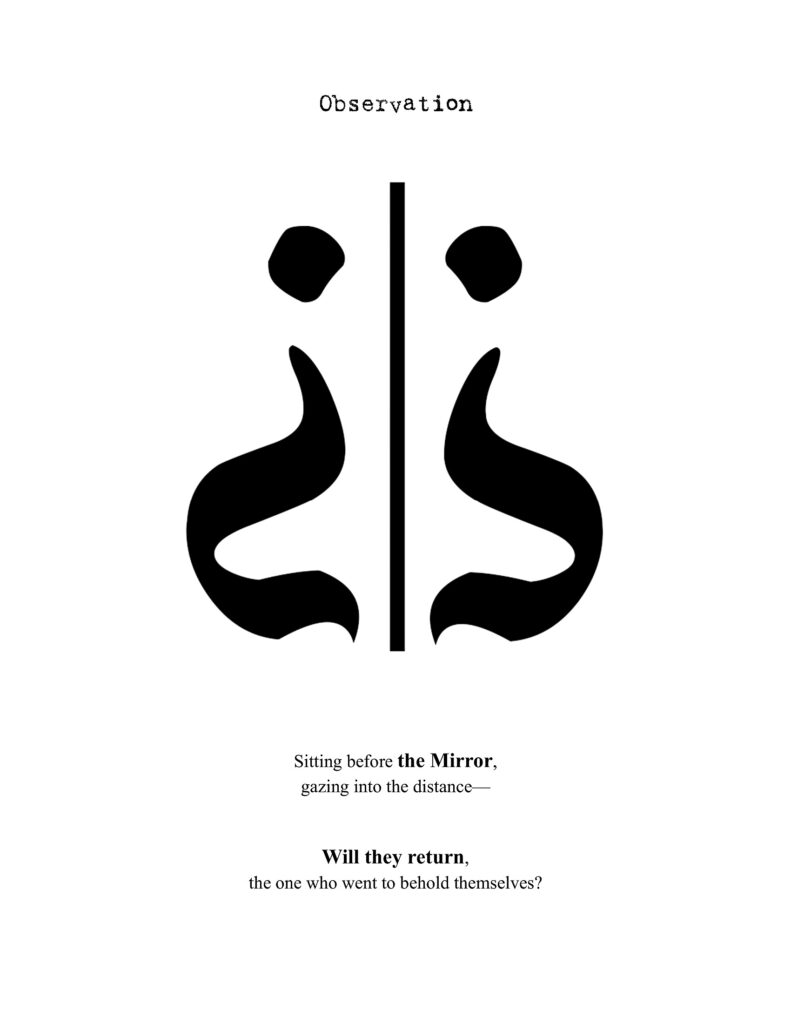
Observation
مشاهدهگری
نشستن؛ روبروی آینه و
خیرهگی به دوردست
آیا باز میآید؟
آنکه به تماشای خویشتن رفته…
*
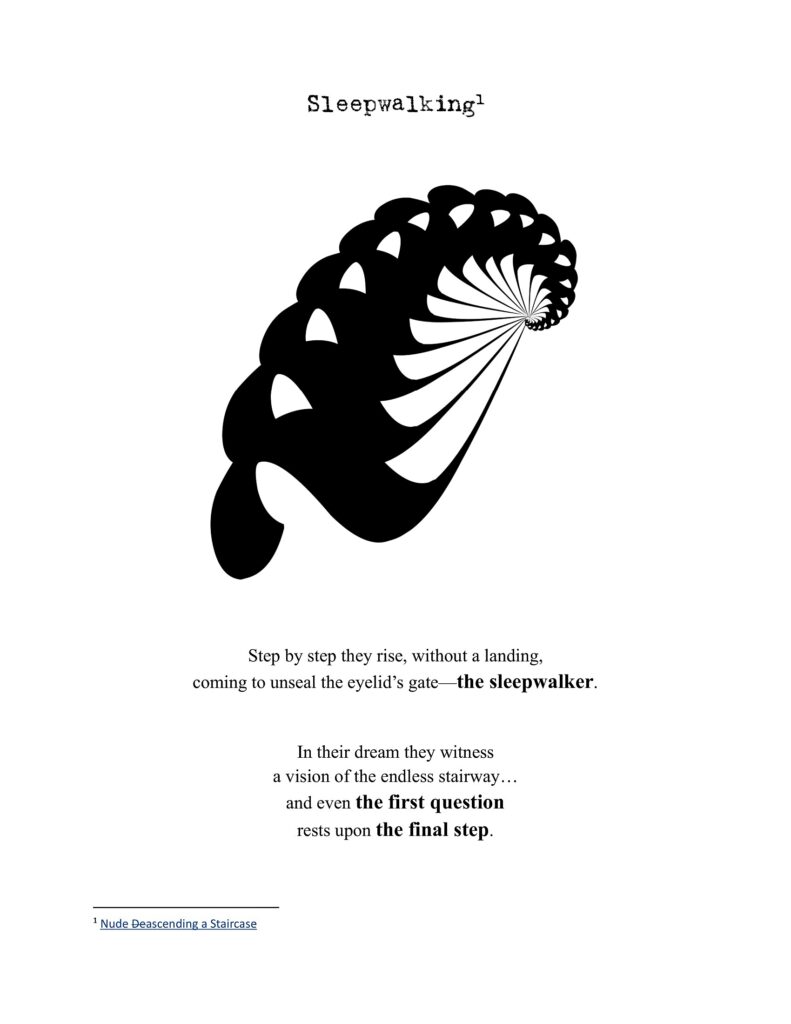
Sleepwalking
خوابگردی
پلهپله میآید بالا اینهمه را بیپاگرد
میآید تا بگشاید دروازهی پلک، خوابگرد
میبیند در خواب، خواب که تمام نمیشوند پلهها
و هم پرسش نخستین را
نشسته بر پلهی پسین
*
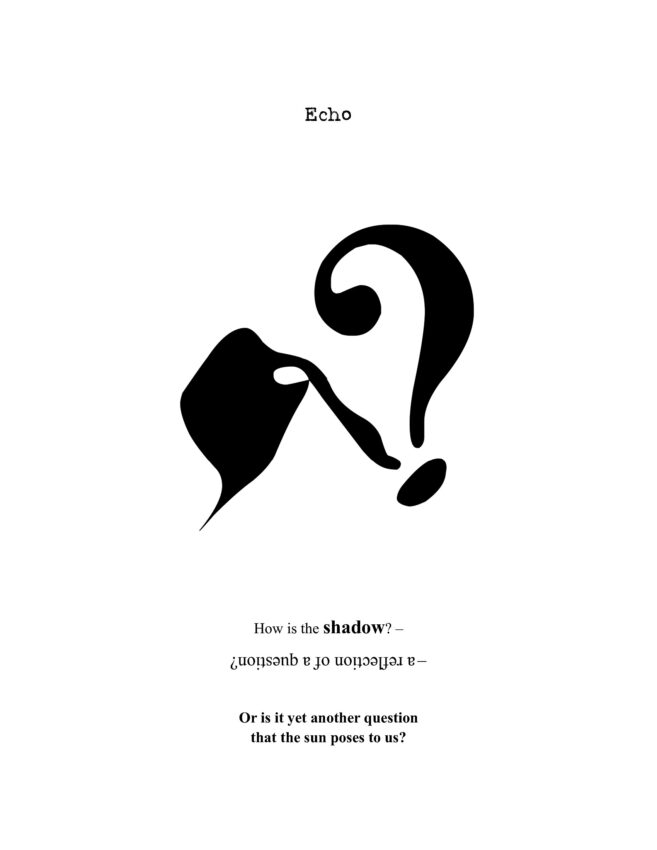
Echo
بازتاب
چگونه است سایه؟
بازتاب یک سوال؟
یا خود سوال دیگری که
آفتاب میکند از ما
*
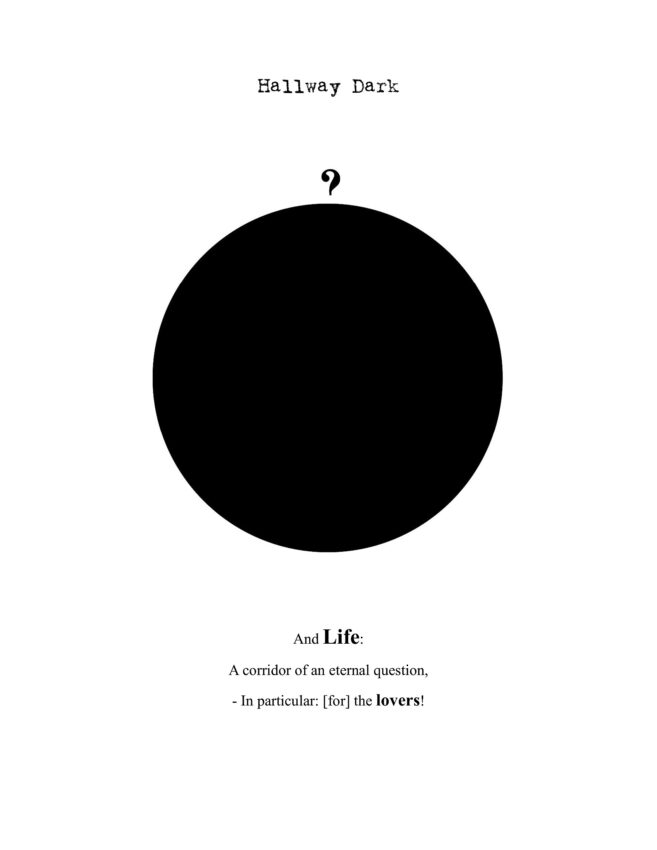
Hallway dark
دالان تاریک
و زندگى:
که دالان سوالى بى انتهاست
· خاصه؛ عشّاق! -
*
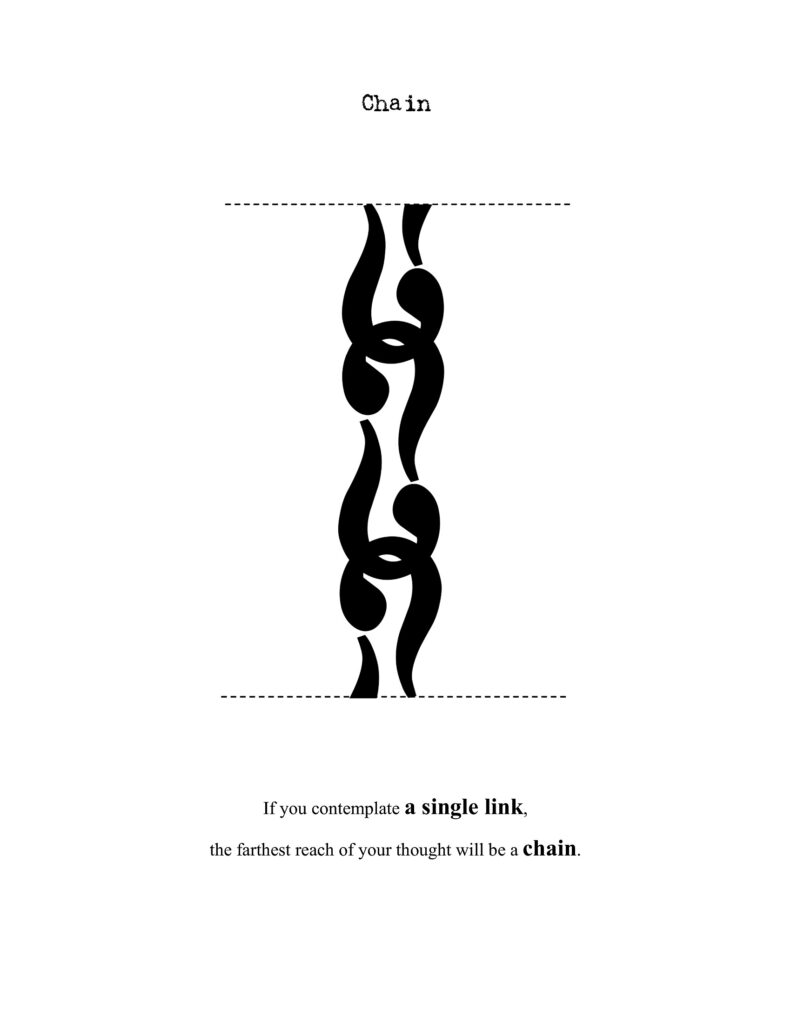
Chain
زنجیر
اگر به یک حلقه بیندیشی
منتهای اندیشهات زنجیر خواهد بود
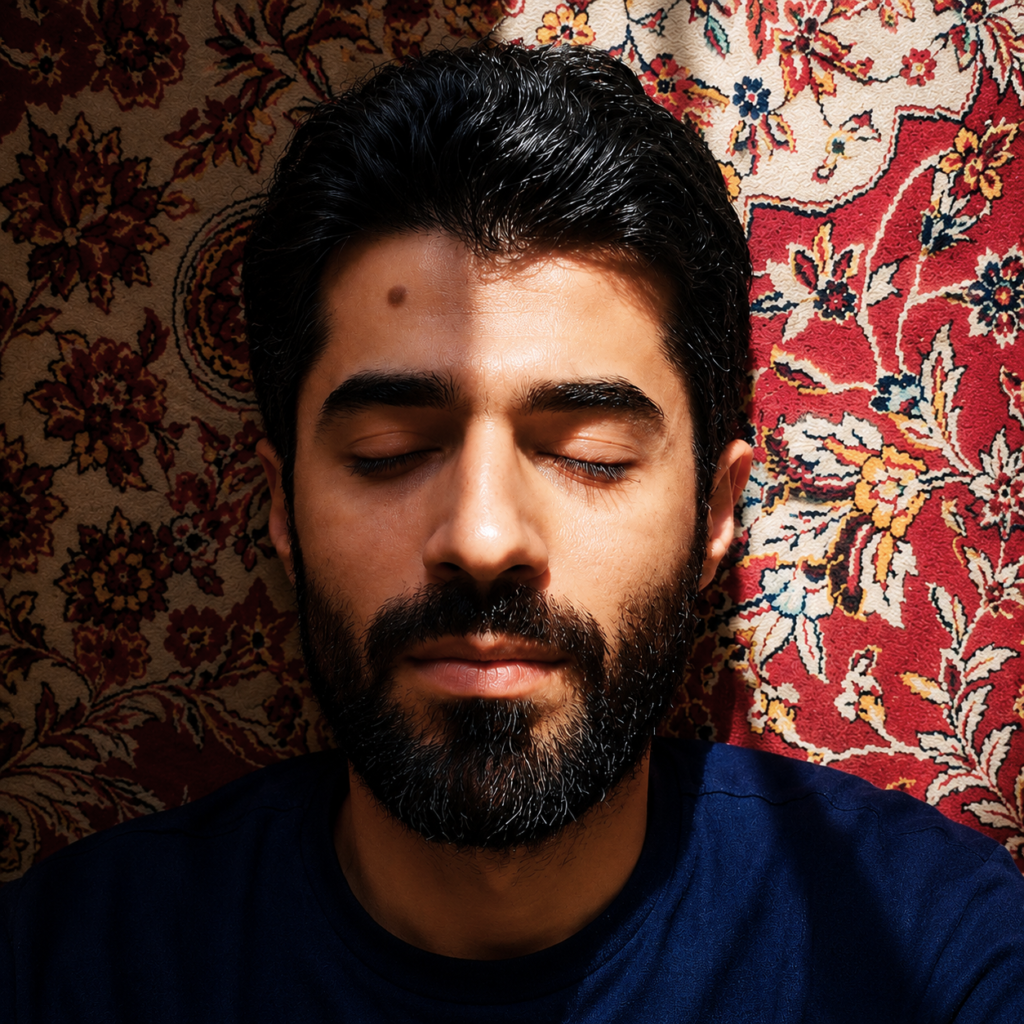
Hamed Soleiman Tabar is an Iranian poet, writer, and translator, born in 1986 (1365 SH). He has authored three books of poetry and is recognized as an influential figure in contemporary Iranian poetry over the last two decades. Notably, he is also a translator whose work includes the Persian rendition of T.S. Eliot's seminal work, the "Four Quartets." Soleiman Tabar's poetry is often characterized by its visual, aphoristic, and philosophical depth, consistently exploring the boundaries between language, art, and existential thought.
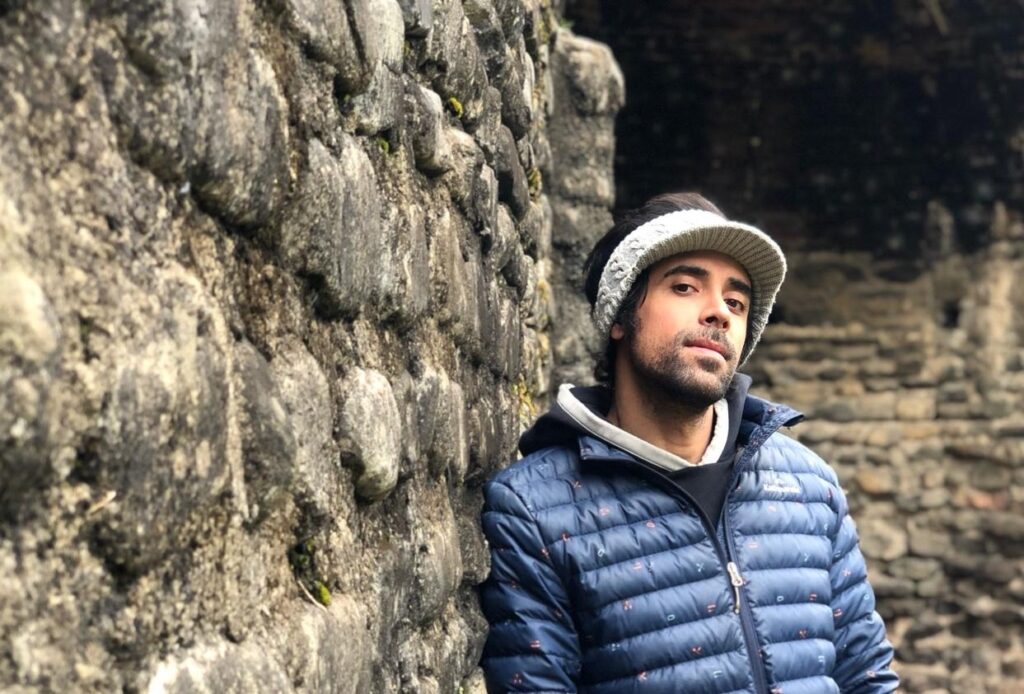
Ali Asadollahi is an Iranian poet, translator, and editor based in Tehran. He is the recipient of the PEN/Barbey Award, the Gabo Prize for Literature in Translation, and the Iranian Journalists' Poetry Prize. He has published six collections of poetry in Persian. His poems and translations have appeared in Modern Poetry in Translation, Hayden's Ferry Review, Denver Quarterly, Epoch, Third Coast, The Los Angeles Review, Nimrod, Poetry Wales, Another Chicago Magazine, and Diode Poetry, among others.
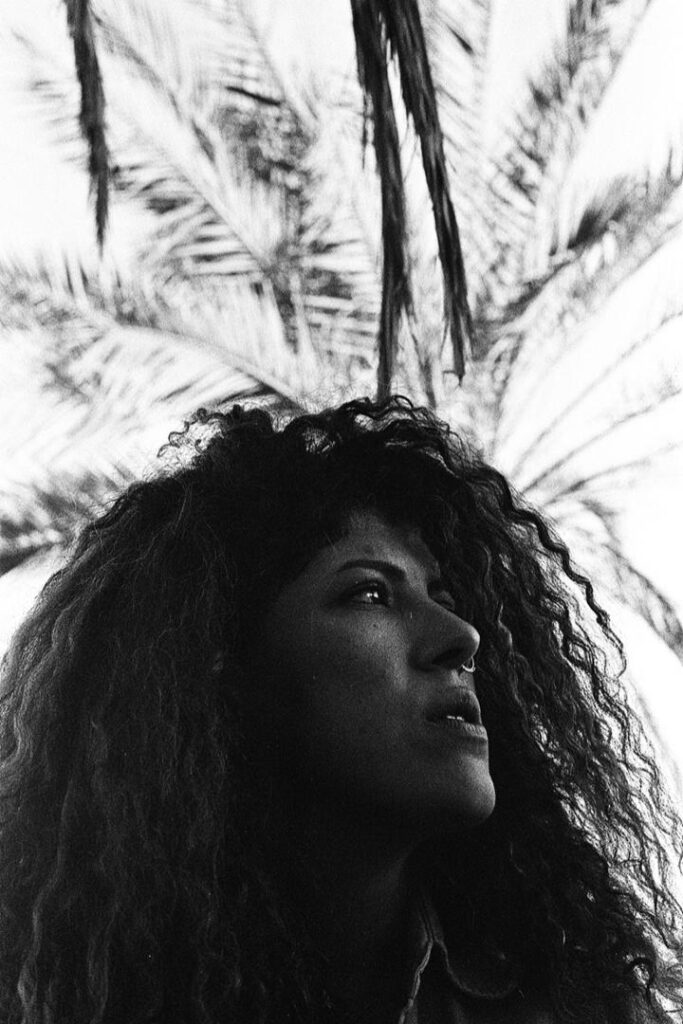
Soha Kabiri is an Iranian artist, originally from Tehran. Intrigued from an early age by the creative force, she obtained a Master of Art degree from Tehran University in 2013. Passionate about art, her interest is particularly focused on painting in relation to themes involving sexual identity. Sexual identity is a major controversial topic in her works. It is exacerbated and takes on its full meaning under the impact of her life history as a woman evolving in a patriarchal society. It is through extensive research on gender studies as a vital concept and an aesthetic but also experimental artistic trajectory that Soha Kabiri's work is built and deeply rooted. In her recent works, she attempts to demonstrate the essence of her vision. Through a distortion of lines and forms that demonstrate 1 O years of work and evolution, she expresses her meaning of sexual identity through her paintings, drawings and installations.