Treasures on the Beach
art by Beth Kephart
by Shanda Connolly
Our happy place is Surfrider, a beach up the coast in Malibu at the end of a trail wrapping around a lagoon filled with ducks, pelicans, cormorants, egrets, and herons. Last Martin Luther King Day, my husband, nine-year-old daughter, and I went there to watch the surf and look for treasure — seashells, that is. It also was the day after my mother passed away several hundred miles away in Arizona. It had been about six weeks since I’d last seen her. As we walked out onto the sand, I was also hoping that I might somehow hear Mom’s voice, that I might receive an intuitive message from across our different realms.
Whenever we went there, we always found what we needed. The most prized treasure was a wavy turban, some bigger than my hand, cone-shaped with a scallop pattern outlining the rim up to its point. Sometimes, we didn’t find any turbans at all. Other times if we were lucky, we’d find several. That day, though, we found over a dozen, the biggest of them seven inches in diameter. The mother lode.
Covered with sand and seaweed on the beach, they look black rocks. But soaked in bleachy water and scrubbed, they transform into peachy-pink bagatelles. They’re various hues of coral-pink, my favorite color, one evoking so many memories: my bedroom walls painted by my father that matched a pink daisy-wallpapered ceiling in my childhood; my daughter’s tutu she wore in her kindergarten ballet class; the Royal Hawaiian Hotel in Waikiki where we stayed for my fiftieth birthday; the tangy, syrupy goo at the bottom of peach crisp, my favorite dessert. They’re stacked on a china tray in our living room and, on my bedside table, I keep the first one we found, plus the biggest. Sometimes, we give them as a unique gift to friends or out-of-town guests. (I mean, wouldn’t you like to have a wavy turban shell?)
Interestingly, that day we also found just as many turban shells with snails still living inside that we threw back in the water. The turban shells we took home that day felt like a gift from Mom. They were a symbol, too: the empty shells, as our spirits remain after our bodies expire.
The year before in February, after Mom’s hospice nurse told us it was no longer safe for her to live independently, we’d gone to Arizona to tell her she needed to move into an assisted living facility. Mom had come from her primary home in northwestern Missouri to her small retirement property in Phoenix right before the pandemic, and my sister who lived several blocks away from her had been helping to look after her there. We moved Mom into an appropriate place the next month, a small care home with five bedrooms. By then, her short-term memory was shot. Sometimes, she’d wander around looking for Dad, who’d died ten years ago. She’d wake up in the night scared and disoriented, and even managed to crawl under her bed once, notwithstanding her diminished condition. It made me remember how I used to run to her bed in the middle of the night after having a nightmare as a little girl. Over the years, the greatest gift my mom gave me was her comfort, and that was something I prioritized giving my daughter. Mom always knew when I was sad or scared and, even if she couldn’t understand how or why I felt that way, she tried to make me feel better. When I moved across the country, she’d send something she’d baked or a note, or she’d just listen over the phone. But even though I called Mom every day at her care home, because of her memory and hearing loss, I doubt I was able to give her much comfort.
A week after that January trip to Surfrider, on a cold Missouri morning before Mom’s funeral, the three of us waited in another room while people filed in for a local ritual, the final viewing of my mother’s body. My husband and I wanted to shield our daughter from having to see her deceased grandmother, thinking that might traumatize her. We decided to wait there for the next half hour or so, until they’d come get us to be seated after the casket was closed before the service began.
After about ten minutes, our daughter put down her book, and said, “I want to go see Grandma.” Her eyes were red from crying, but she was certain about what she wanted. “It’s the last time I’ll ever get to see her again.”
We walked down the center aisle to the casket with a spread of greenery and white roses draped over it. My daughter was, by over a decade, the youngest person in the room, and I could feel everyone’s eyes upon us as we approached. Mom wore a pale blue dress the color of my dad’s eyes, and a white cardigan sweater. Like me, she was always cold.
I whispered to my daughter to ask if there was anything she’d like to say; even though Mom was gone, I believed she could still hear us.
Mom’s hair had been curled and set; her fingernails, neatly trimmed and painted with clear polish; a soft blush on her cheeks and lips. She looked like she was taking a peaceful nap.
“Goodbye, Grandma. I love you,” my daughter finally said.
As we turned to walk away, I realized that, in this moment, it was my little daughter who was the strong one. I couldn’t tell Mom goodbye; she had to do it for me.
After the funeral, there was a short graveside service consisting of a scripture, reading, and prayer. Before we left, my daughter and I placed a turban on her gravestone.
I hear you, Mom.
I love you, too.
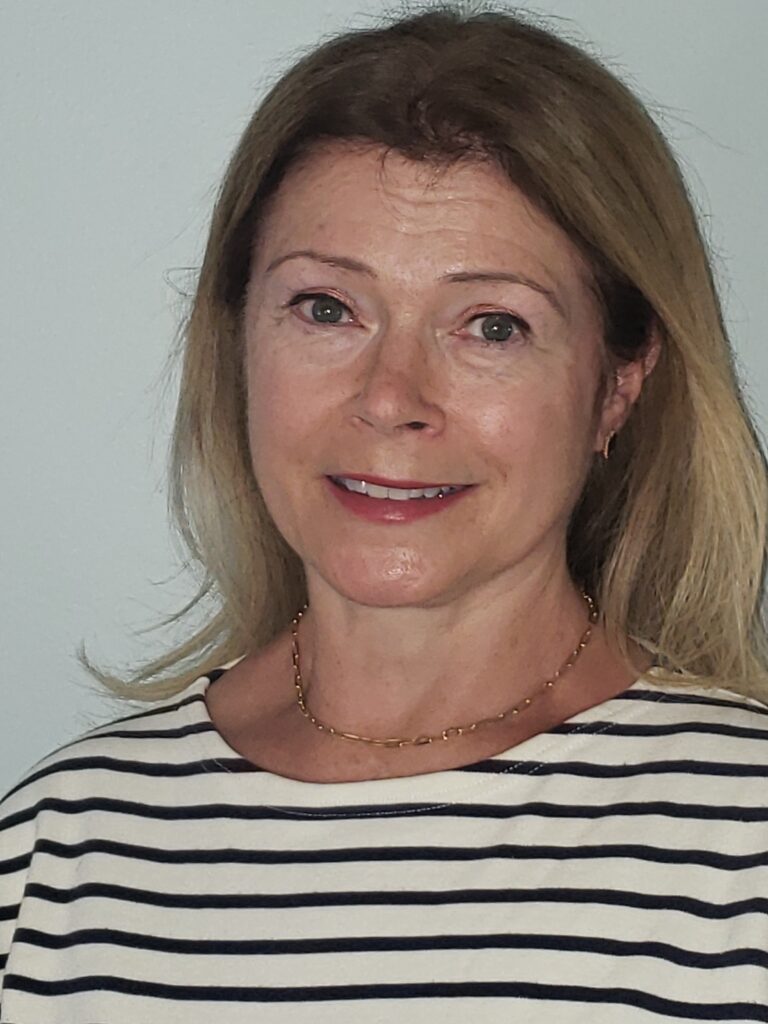
Shanda Connolly is an attorney in Los Angeles, and her fiction and essays have appeared in Narrative, The New York Times, North American Review, The Saturday Evening Post, Prairie Schooner, Catamaran, Ruminate, Outpost 19, Bridge Eight, Eckleburg, Gargoyle, Emerge Literary Journal, The MacGuffin, Vine Leaves Press, and others.
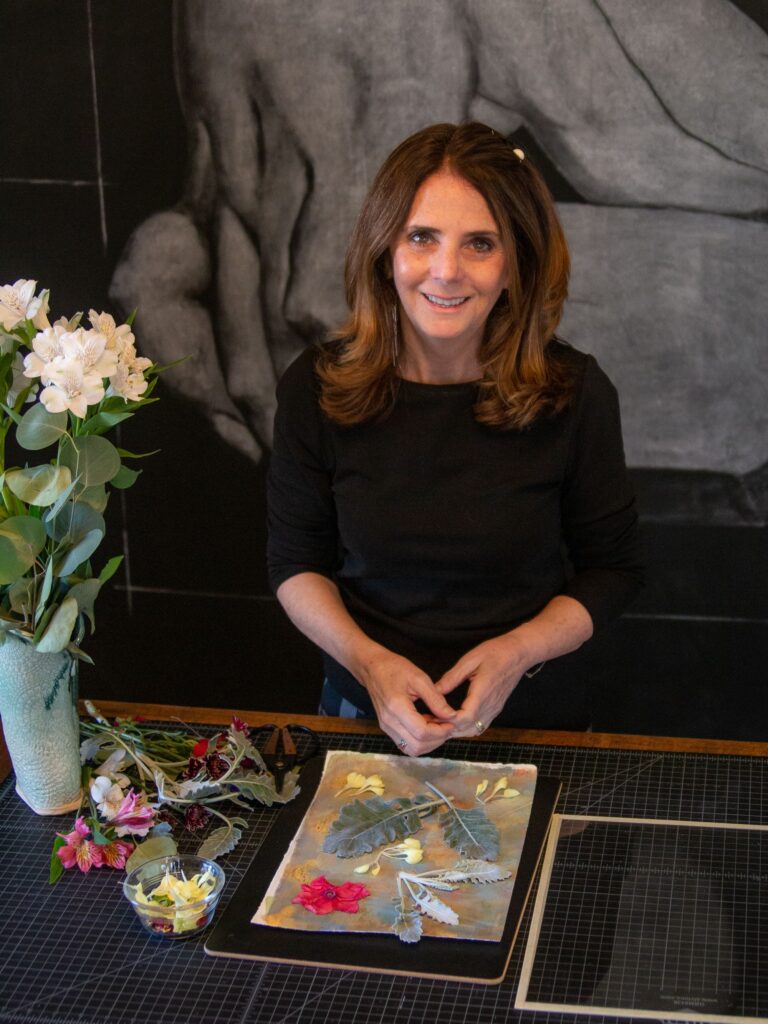
National Book Award finalist Beth Kephart is the award-winning author of some 40 books in multiple genres. Her art appears or will soon appear in a range of journals and magazines including Women Who Create, Print (online), Black Warrior Review, The Pinch, Calyx, The Core, and Lunch Ticket. She is the creator of the bestselling words + image Substack, The Hush and the Howl. More at bethkephartbooks.com.