Book Reviews
-
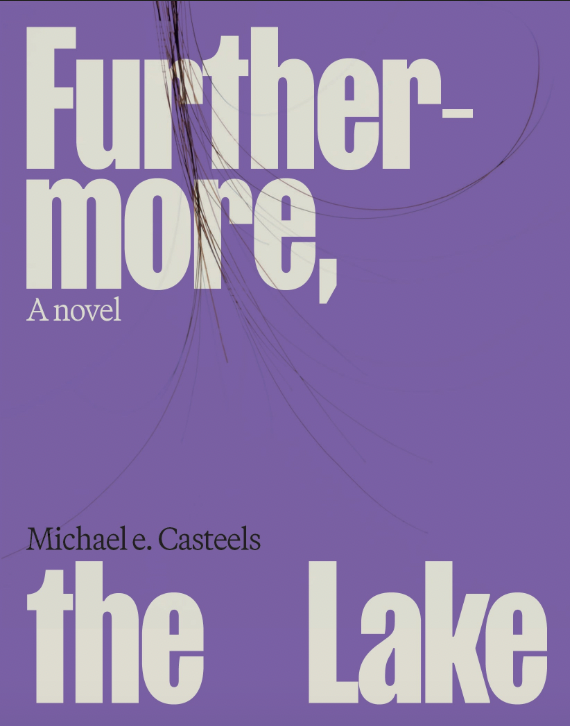
A Review of Michael e. Casteels “Furthermore, the Lake”
by LIT Social Media Editor, Grace Dignazio
Michael e. Casteels’s Furthermore, the Lake is a stunning traversal of a haunted cityscape, narrated by a deeply disoriented, unnamed speaker. Straddling prose-poetry and surreal narrative, the text conjures a setting at once recognizable as New York City and then not—rippling like memory itself: unstable, refracted. The narrator wades through subway cars and foggy streets in a dreamlike state of liminality, his identity a muddled reflection.
The early vignettes usher us into his psyche as he moves through the banal rhythms of daily life—commuting,
-
A Review of Tony Koji Wallin-Sato’s Poetry collection “Okaerinasai”
by LIT Managing and Poetry Editor, Richard Berwind
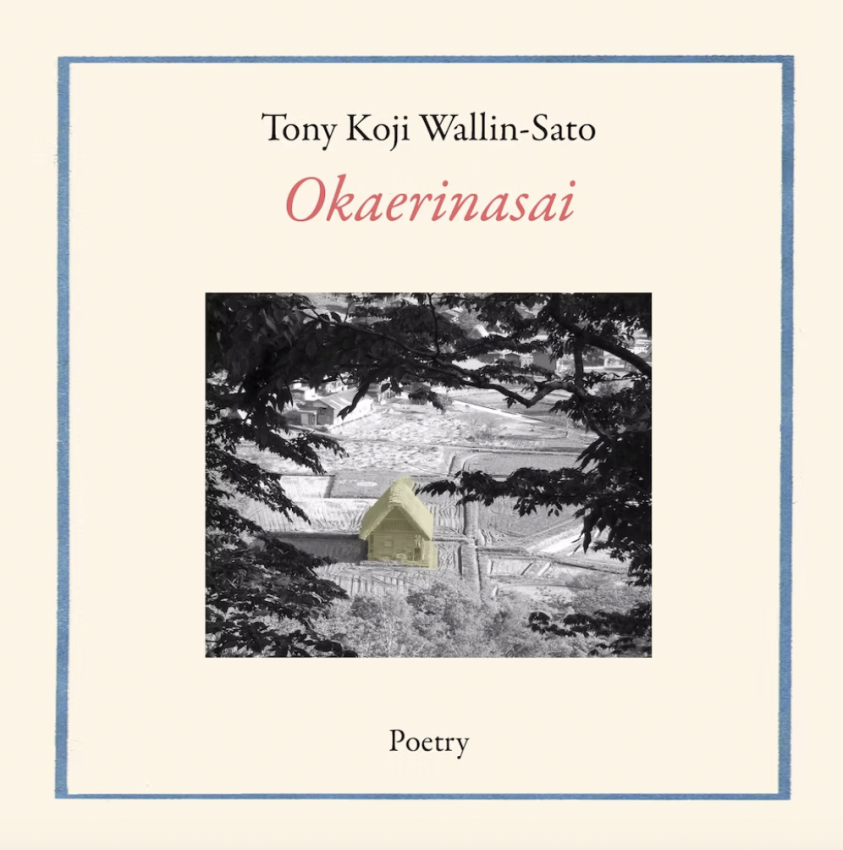
The cover of Tony Koji Wallin-Sato’s Okaerinasai depicts a black and white photo of an isolated farm recolored in an off-white ivory and surrounded by the encroaching black limbs of a tree. The square photo sits in a matte white frame with a larger blue border: a piece of art hung up on the wall of a gallery, or perhaps a home. The rest of the collection takes a reader on a journey of the singular, a journey of the collective, and the intricate relationship between both as Wallin-Sato asks us what even constitutes a home through the opening definition of his title.
-
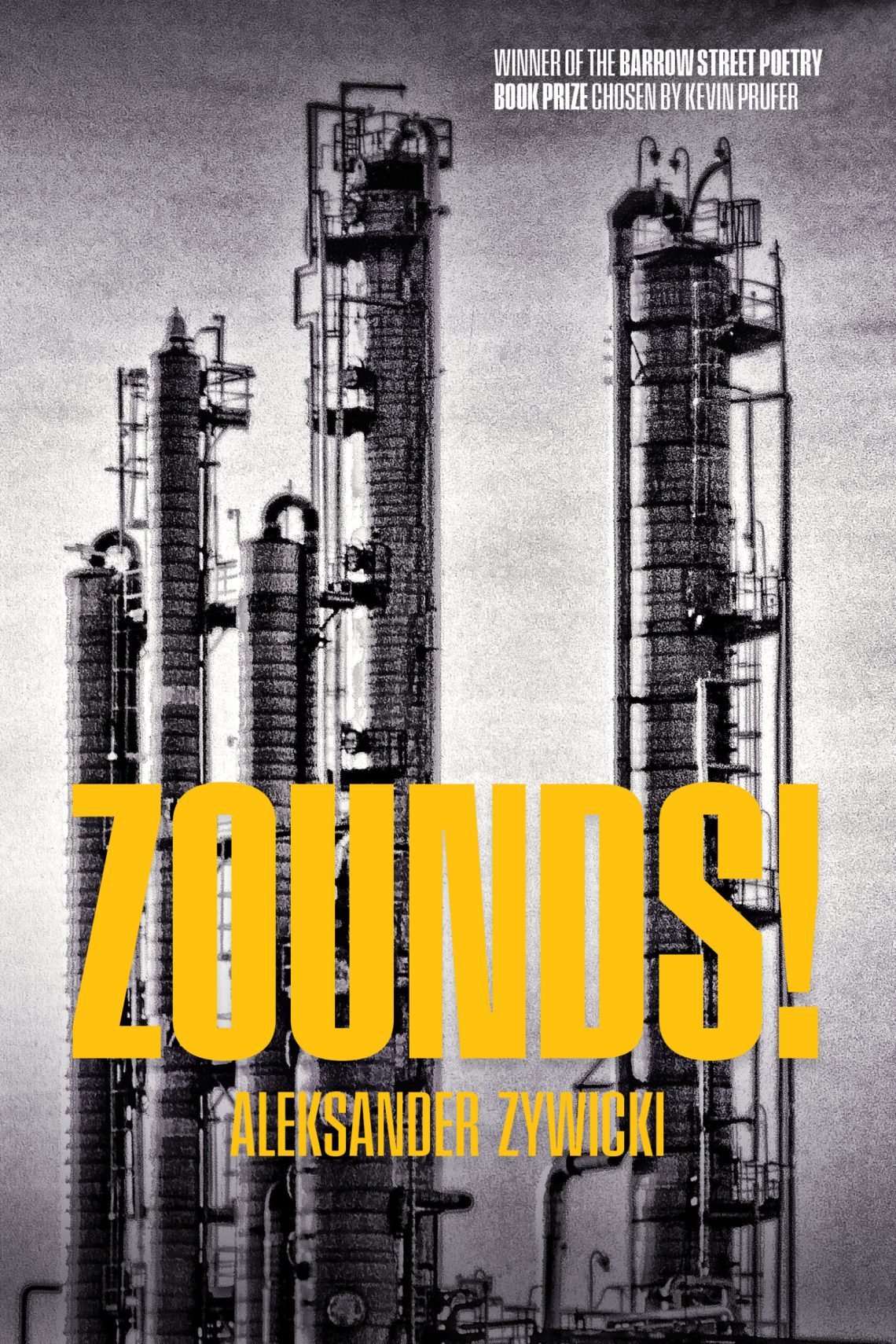
“ZOUNDS!” a review, and an interview with Aleksander Zywicki
by Rebecca Endres
ZOUNDS! does not lallygag. From the moment the raw, clear-eyed book of poems opens, Aleksander Zywicki brings religion and torn flesh to the forefront of his imagery. Consider the transmutation in “The Sign of the Cross” from the first section:
my dead father has risen
his arm to hang
the wrenching Christ
above our dinner table
& my eyes like wounds
are always opened
In this childhood memory, the father figure, who looms over early memories and haunts his son from the grave for the rest of the book,
-
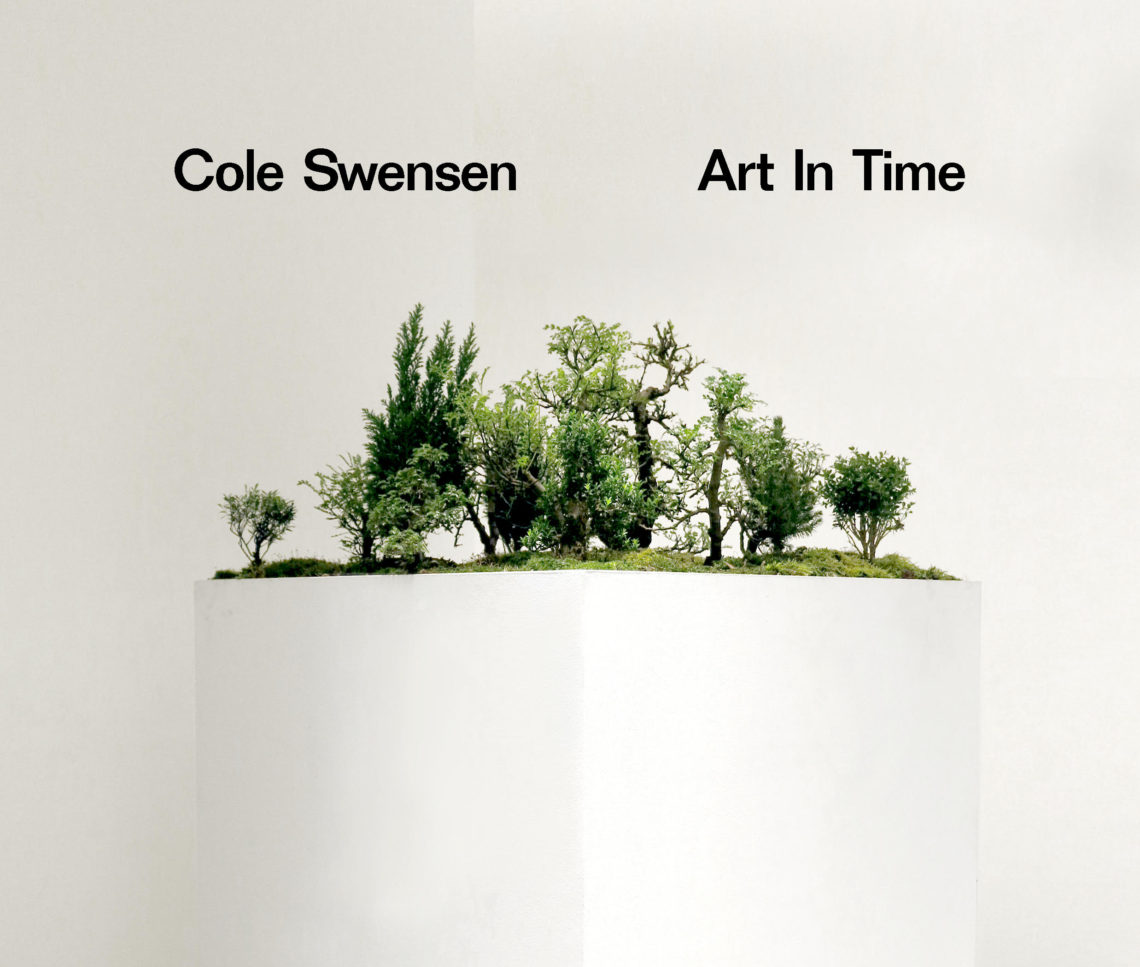
Lasting Art: A Review of Cole Swensen’s Art in Time
Art in Time is a book that resists the idea of it ever becoming a “timeless work of art.” For poet,
translator, and academic Cole Swensen, the very notion of a “timeless work of art” not only implies a
refusal to engage with the present moment, but also exposes a fundamental problem in our viewership:
our tendency of looking at rather than from within. In this collection of lyric essays, Swensen studies
the work of twenty artists, all of whom have “found ways through landscape to become an active
element in the view and its viewing.”The book itself remains neatly tied to its own present moment.
-
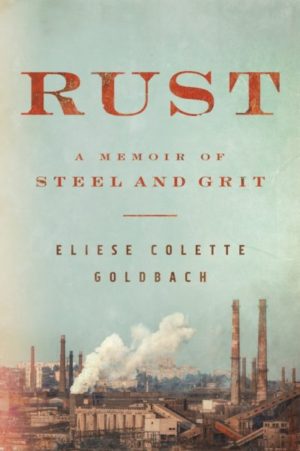
“Rust: A Memoir of Steel and Grit by Eliese Colette Goldbach” Reviewed by LaVonne Roberts
Forged In Steel, A Nation Divided
In Rust: A Memoir of Steel and Grit, Eliese Colette Goldbach reflects on her childhood as the second daughter in a Polish Catholic family and her three years as a steelworker. As a little girl in Cleveland, she could often see the rust-colored buildings of the city’s steel plant in the distance when she rode through town with her father. Eliese never imagined her identity would become Utility Worker number 6691, or that Trump would become President.
“I wasn’t supposed to be a steelworker. I wasn’t supposed to spend my nights looking up at the bright lights on the blast furnace,
-
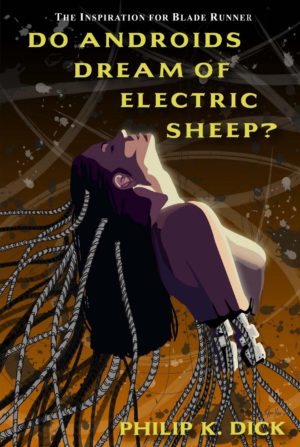
“BARREN: The Primary Themes in the Novel that Inspired Blade Runner” by Nicolas D. Sampson
Philip K. Dick’s Do Androids Dream of Electric Sheep? is a delicious sci-fi yarn that focuses on the ontology of intelligence, biological or otherwise, and the limitations of one’s choices.
DADOES is also a cautionary tale that points to a collapsing world where biology no longer thrives.
Above all, it’s an allegory on the merits and dimensions of life and death – a genre-driven exploration of survival’s brittle complexities.
Some may call the story precognitive, a commentary on life that turns all too relevant as time passes.
To deliver his message,