Nonfiction
-
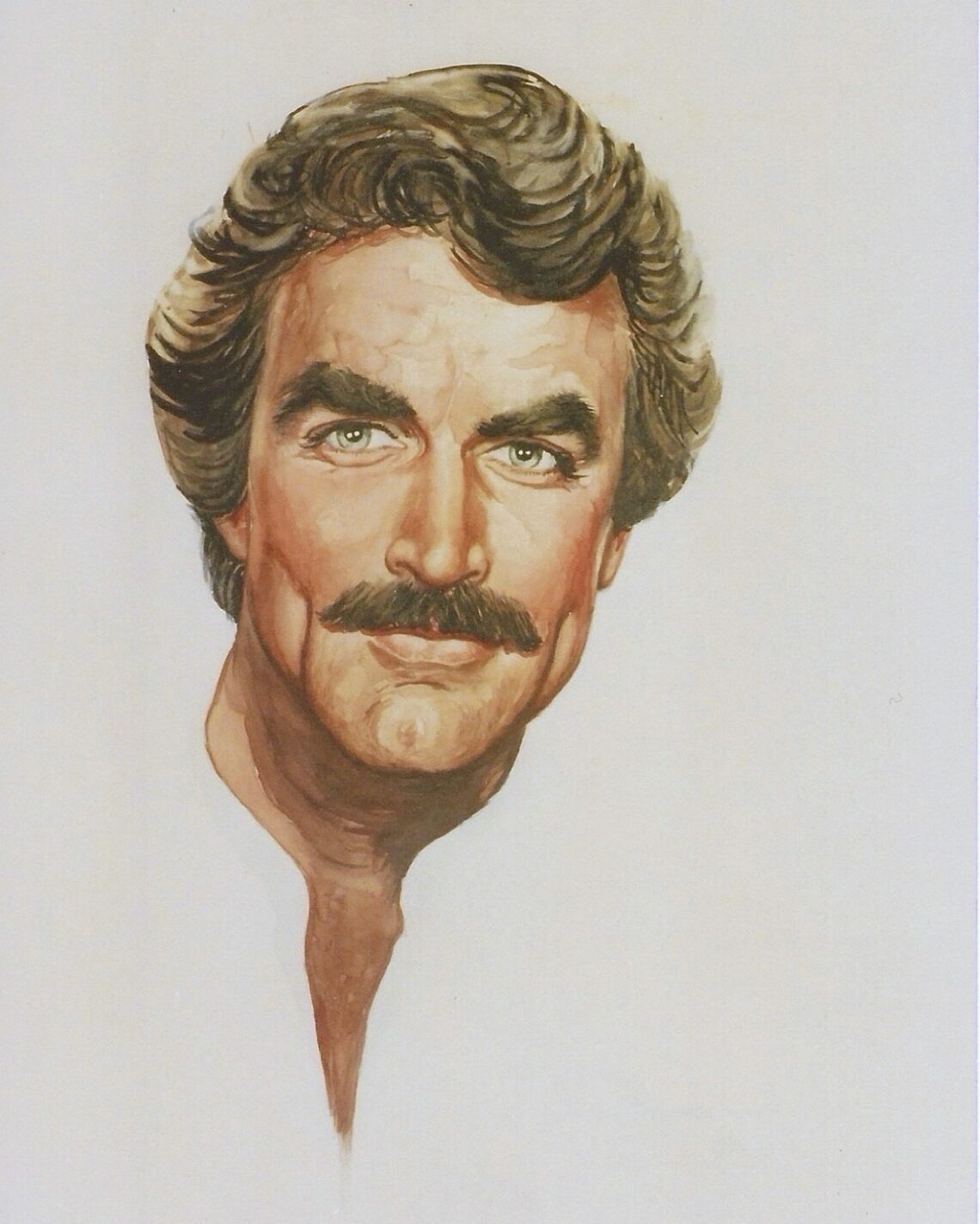
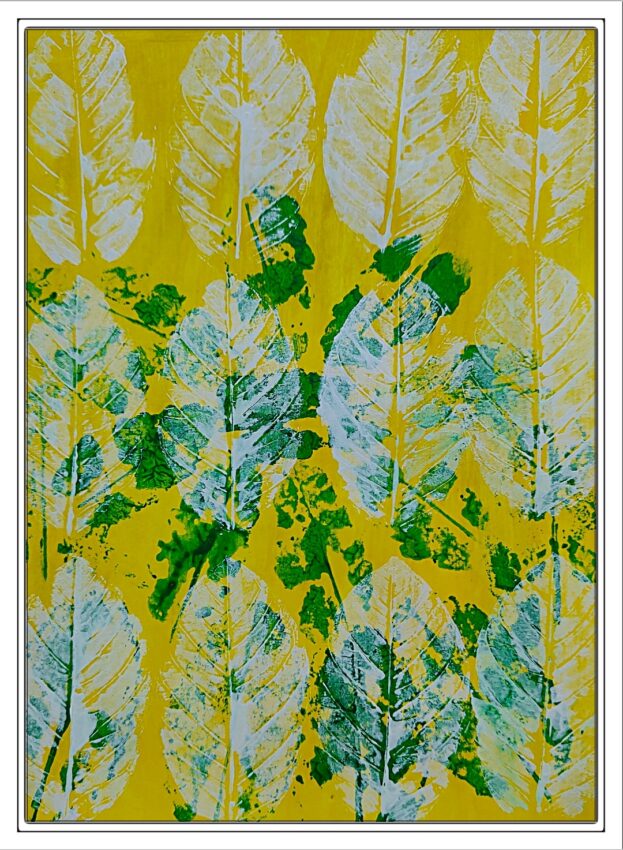
Tom Selleck in His Underwear
art by Geraldine Stevenson
by Mary Cate Stevenson
My grandmother was a painter. Even though we lived just a few streets over for most of my childhood, I didn’t know her well. When we visited her house, a one-story ranch in a modest Houston neighborhood, the grownups sat in the kitchen and I was told to run along. She was of the “children should be seen and not heard” generation but seemed to prefer to not see us, either. Her black eyes looked capable of casting curses. Her house even smelled inhospitable,
-
Treasures on the Beach
art by Beth Kephart
by Shanda Connolly
Our happy place is Surfrider, a beach up the coast in Malibu at the end of a trail wrapping around a lagoon filled with ducks, pelicans, cormorants, egrets, and herons. Last Martin Luther King Day, my husband, nine-year-old daughter, and I went there to watch the surf and look for treasure — seashells, that is. It also was the day after my mother passed away several hundred miles away in Arizona. It had been about six weeks since I’d last seen her. As we walked out onto the sand,
-
Volunteering at the Peace Fair
art by Kale Hensley
by Angela Townsend
Most of the volunteers at the Peace Fair are older than me. If I asked them why, they would not be offended, because they have more important things to be. They would try out theories on the spot, lively as popcorn and meaty as portobellos. They would ask my opinion. They would promise that someday I will be old enough to take back every age I have ever been, and at that point I can take the world in my arms.
I am still in the demilitarized zone between the ruddy post-grad and the opaline elder.
-
A Life in Reverie
art by Kale Hensley
by Joseph Gilbride
When I was ten, my imaginary friend was born. I was lying on the sofa in my parents’ living room, struggling to sleep amid a thunderstorm. During strong storms, I would retreat downstairs from my bedroom to put more walls between myself and a potential bolt of lightning. At that age, I believed in God and was frightened of thunder, understanding that, when punishment needed meting out, lightning was His weapon of choice.
What punishment I deserved related to my tendency to fib.
-
The Pool
art by Reena Choudhary
by Joan Schweighardt
It was a quarry long before it became a pool, a huge pit site from which mortal men plundered Mother Earth for her sand and gravel. The booty was used to make concrete and asphalt, which in turn became buildings and roads. The locals who knew about the quarry called it “the pit.” Those who lived near it—and there weren’t many back then—warned their children not to play there. But some of them did anyway.
Vertical sand walls—even those propped up with timber—are unstable and known to cave with the slightest provocation.
-
An interview with Robert Polito and an excerpt from “After the Flood: Inside Bob Dylan’s Memory Palace”
by Charlotte Slivka
Robert Polito’s After the Flood: inside Bob Dylan’s Memory Palace is encyclopedic in scope with a poet’s narration. It breaks down Bob Dylan’s career during the years 1991 – 2024 and conjures the shape of his resurgence from the underworld after receiving the Grammy’s Lifetime Achievement Award; an award intended to honor him and bury him under a monument to his past simultaneously. What should have happened next in the wake of acceptance was the convenient hush of a great musician who had had a good run, then relegated to the pasture of cultural history,